

10 Best Enterprise Budgeting Software for Cost Control
Mekari Insight
- Enterprise budgeting software is an operating system that functions to help companies manage budgets centrally with real-time visibility, allowing expenses to be controlled more accurately.
- From small businesses to enterprises, there are budgeting solutions tailored to every need from simple to complex, including those customized for local business requirements.
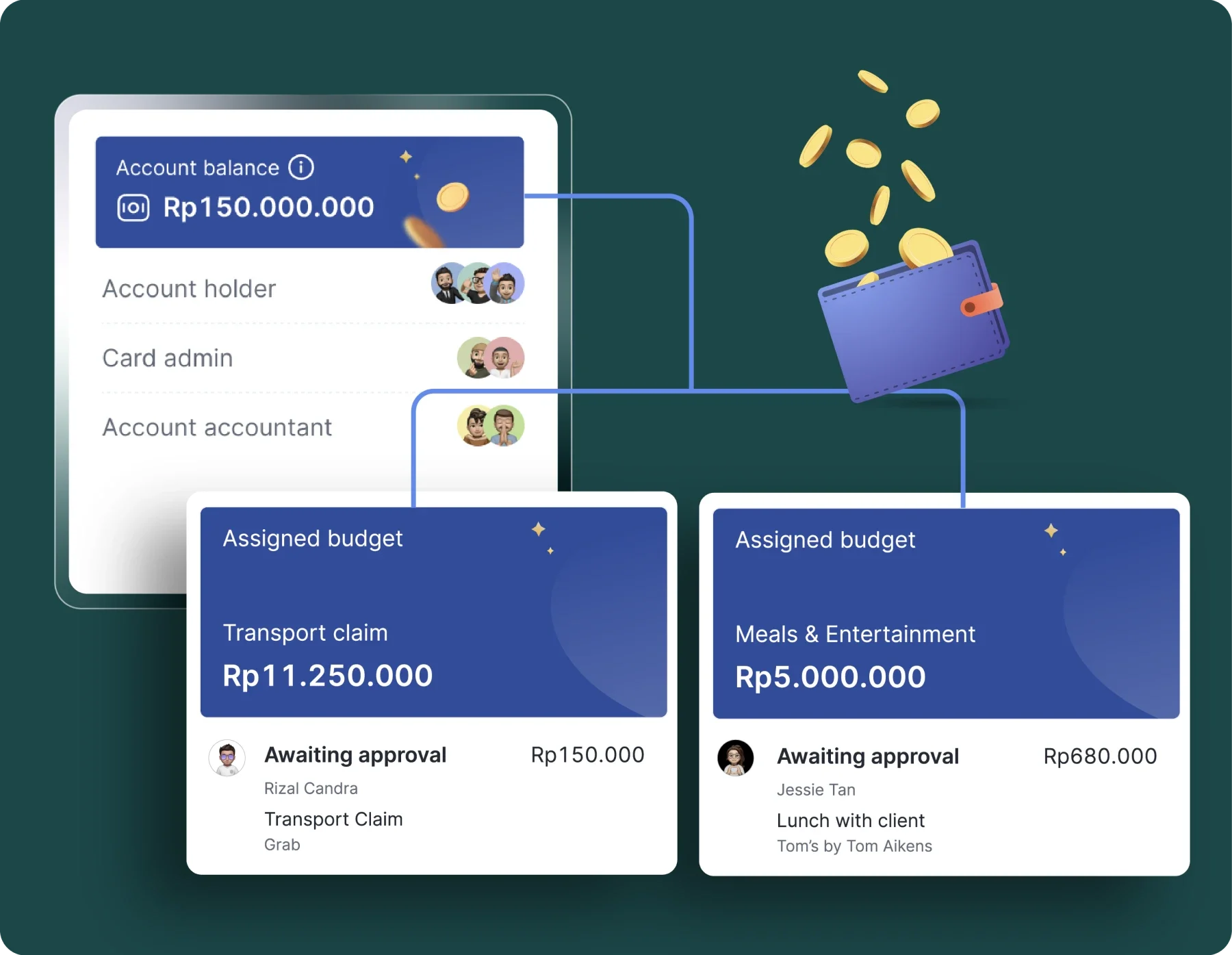
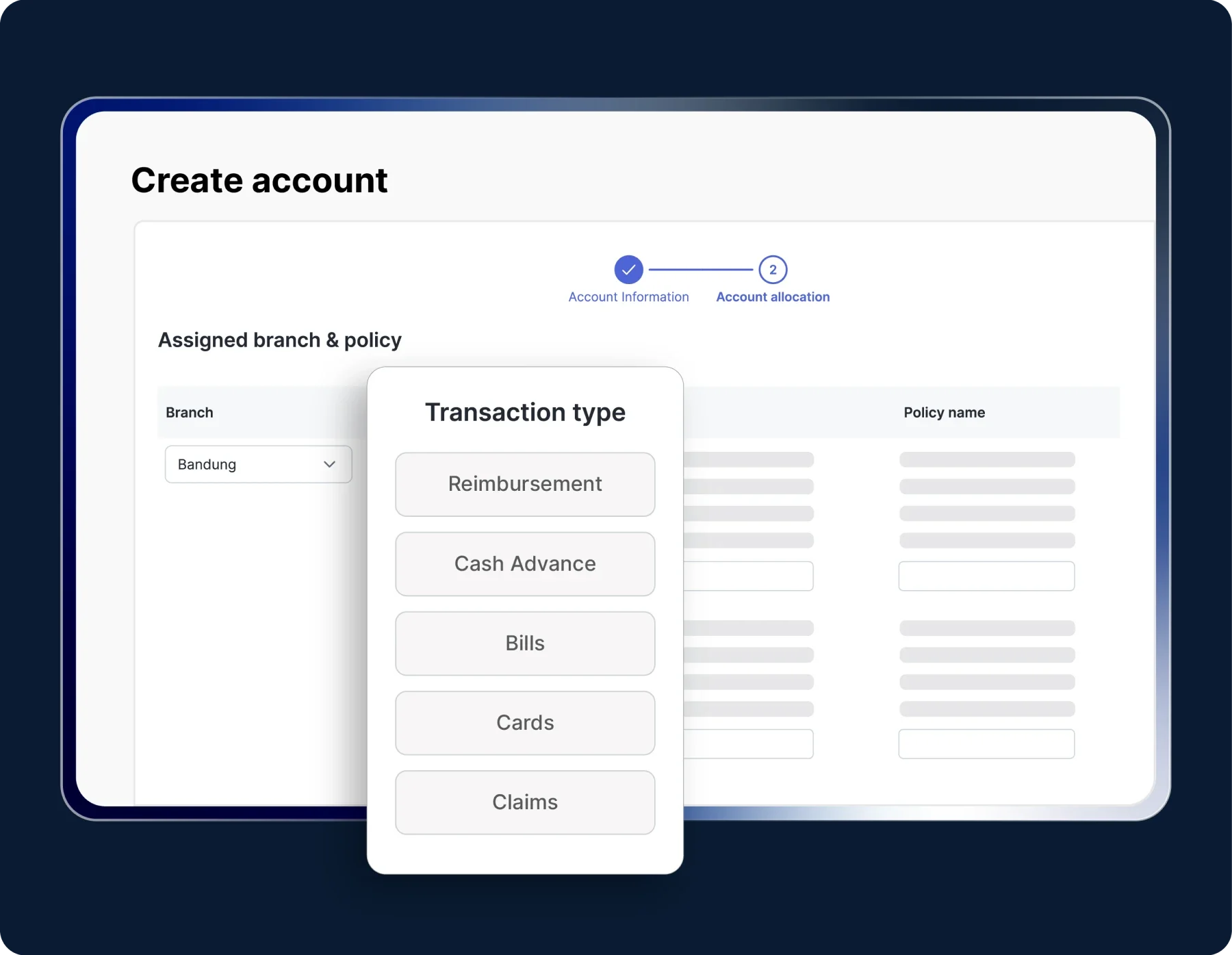
- Mekari Expense stands out as a flexible and highly visible local solution. With its Budget Allocation feature, you can manage budgets by branch, project, or team, complete with role-based access, real-time reporting, and accounting integration.
Finance teams often struggle to monitor subsidiary spending in real time. Data is scattered, reporting is slow, and budgeting becomes increasingly complex. Without proper control, expenses can easily exceed budget limits.
For business owners and finance teams who want better control over spending, faster processes, and clearer visibility, enterprise budgeting software is the solution.
In this article, Mekari has curated 10 of the best budgeting software solutions to help you plan, manage, and monitor your budget in real time. Letโs explore.
What is enterprise budgeting software
Enterprise budgeting software is software used to plan, manage, and monitor company budgets efficiently within a centralized system. It is designed to support team collaboration with real-time visibility.
This type of budgeting software typically enables you to:
- Create cross-department budgets collaboratively
- Monitor actual vs planned spending in real time
- Generate insights for faster and more accurate decision-making
Read more: 10 Best Budget Forecasting Software for Businesses
Benefits of using business budget software
Every business operates differently and faces unique financial challenges. However, one thing remains the same: all businesses need structured and efficient budget control.
This is where business budget software becomes essential with benefits tailored to different business scales.
1. Enterprise businesses
Large organizations with multiple branches, divisions, or entities require systems that unify financial processes into a connected ecosystem.
Budgeting software supports this by enabling:
- Cross-department budget planning with better alignment
- Real-time forecasting and reporting
- More efficient team collaboration
2. Corporate businesses
For established companies undergoing expansion or efficiency improvements, budgeting software helps finance teams see both the big picture and critical details.
- More structured and centralized budgeting processes
- Faster detection of budget variances
- Actionable financial insights
3. Small businesses
As a small business owner, you often multitaskโacting as CEO, finance manager, and sometimes even cashier.
Budgeting software helps you stay in control without adding complexity:
- Easy budget creation without technical processes
- Daily expense and cash flow tracking
- Long-term financial forecasting
Budgeting software is essential for maintaining financial discipline, preventing overspending, and ensuring funds are allocated according to business priorities.
Read more: How Expense Management Automation Can Save $2.3M Annually
Enterprise Budgeting Software Recommendations
Choosing budgeting software is not just a technical decision, but also a strategic one.
Freshworks research (2025) reveals that up to 20% of a companyโs technology budget can be wasted due to choosing the wrong software from unused tools to failed implementations. Moreover, unmanaged system complexity can reduce up to 7% of a companyโs annual revenue.
To help you avoid these risks, here are the best enterprise budgeting software recommendations you can choose based on your business needs.
| Software Budgeting | Key Features | Best For |
| Mekari Expense โ Budget Allocation | Budget categorization; employee cards; automated payments; real-time reporting; role-based access; accounting integration | Small to large businesses that need detailed and integrated budget control |
| QuickBooks Online | Budget vs actual tracking; expense tracking; automated invoicing; wide integrations (PayPal, Shopify, Gusto) | SMEs and individuals needing practical and affordable financial tools |
| Oracle Cloud EPM Planning | Single source of truth; AI-driven forecasting; cross-team collaboration | Enterprises with complex strategic budgeting needs |
| Budgyt | Multi-department budgeting; automated forecasting; interactive reporting | SMEs with simple centralized budgeting needs |
| Xero | Budget per project/division; tracking and adjustments; dynamic reports | Small to mid-sized businesses needing simple accounting + budgeting |
| Prophix | Advanced analytics; interactive dashboards; automated data consolidation | Small to large companies needing integrated budgeting |
| Centage | ERP/accounting integration; scenario planning; automated reporting | SMEs to mid-sized companies improving budgeting efficiency |
| Anaplan | Hyperblockโข in-memory; cross-functional collaboration; API integrations | Enterprises with complex budgeting structures |
| Expensify | Budget controls; alerts; expense automation; corporate cards; accounting integration | SMEs to mid-sized businesses needing policy-based spend control |
| Volopay | Budgeting by department/project; spend limits; corporate cards; AP automation | Startups to large companies needing centralized spend control |
1. Mekari Expense Budget Allocation

Mekari Expense is a spend management software designed for modern businesses that want flexible, efficient, and controlled financial management.
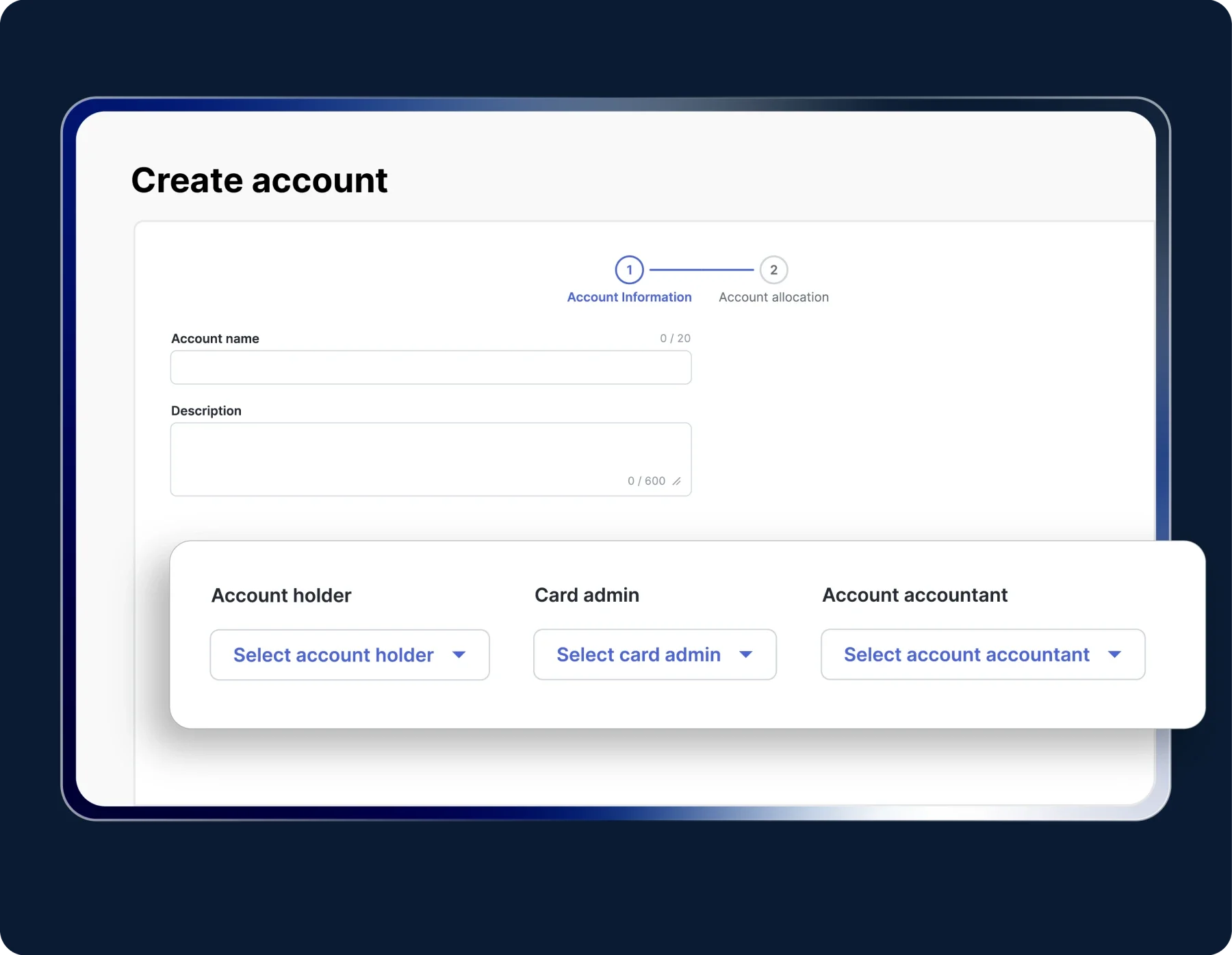
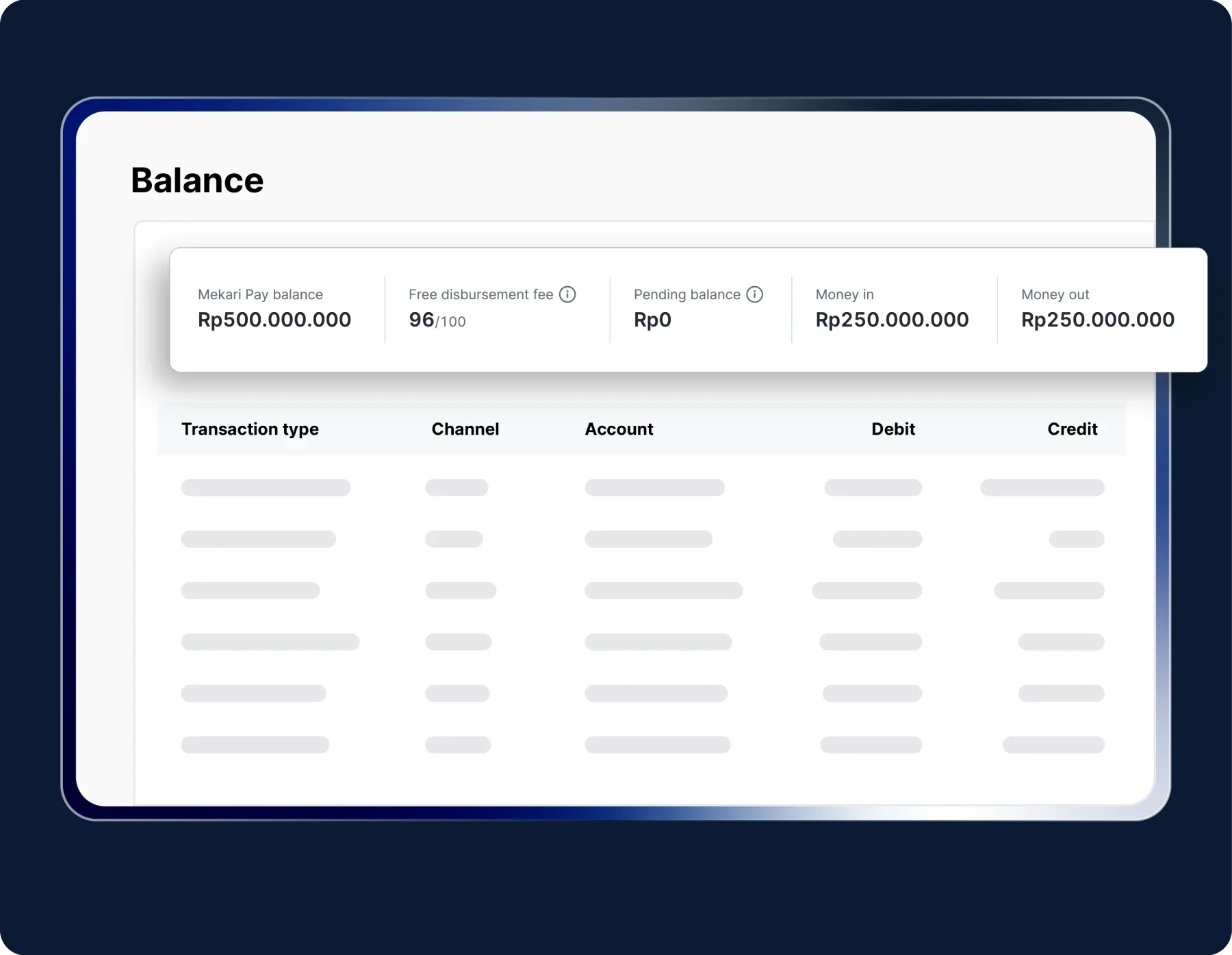
Budget Allocation feature allows finance teams to break down accounts into multiple budget categories while monitoring expenses in real time.
Key features:
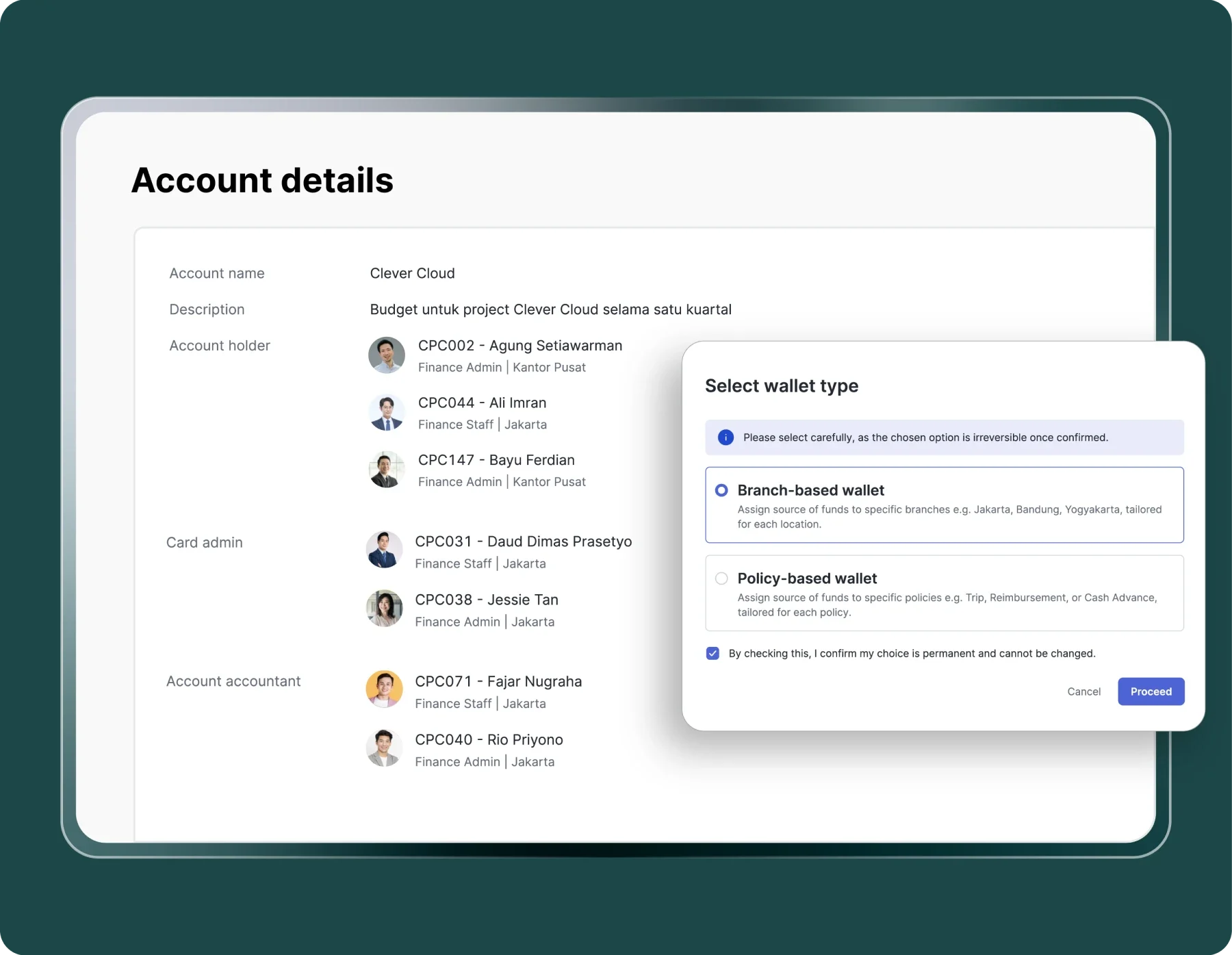
- Flexible budget categorization: Split main account balances into multiple accounts with different limits for each branch, division, or project.
- Connected employee cards: Issue physical or virtual cards linked to specific accounts to improve spending transparency.
- Payment automation: Schedule automatic payments for categorized expenses to ensure accuracy and timeliness.
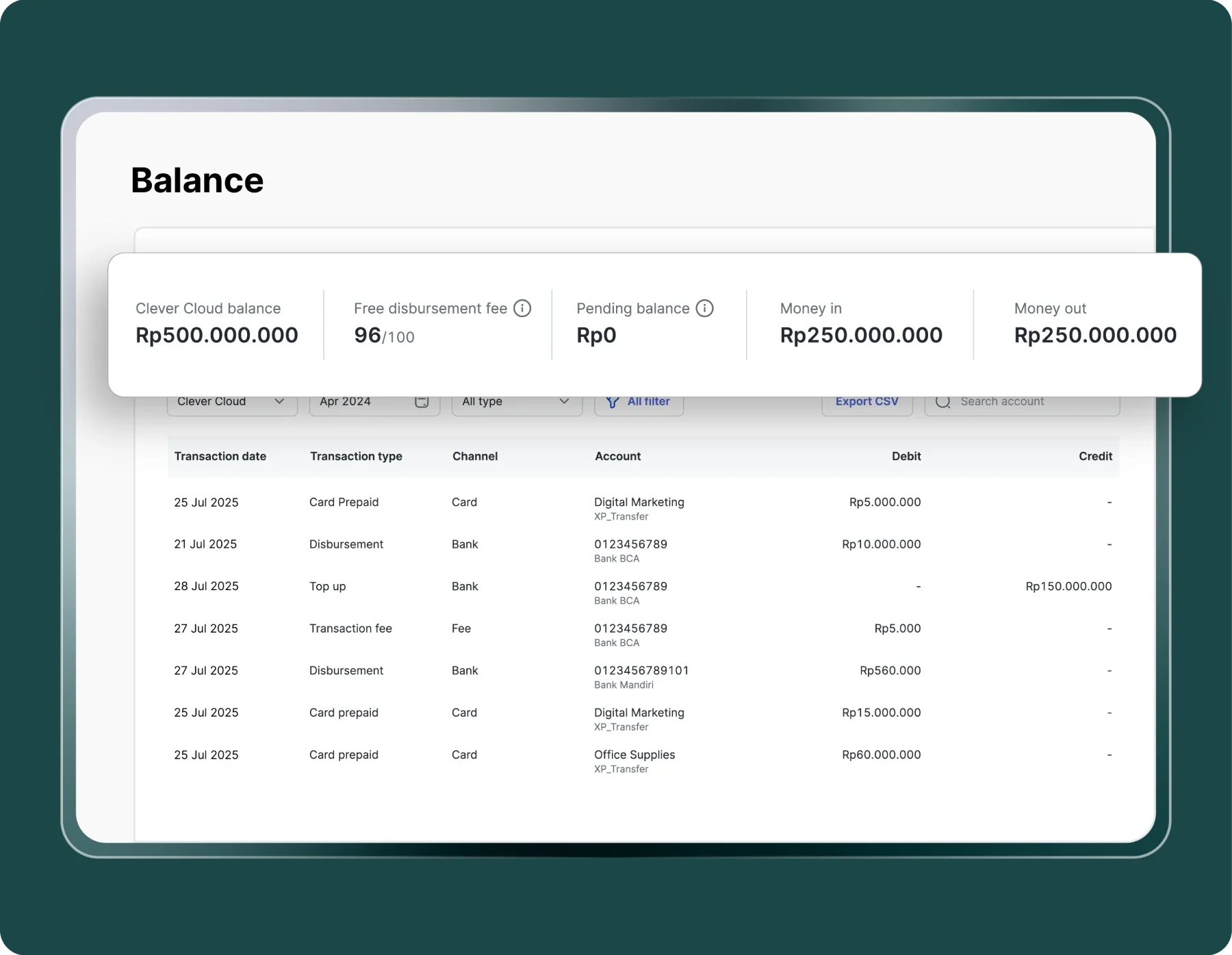
- Real-time and transparent reporting: Monitor all spending activities in a single dashboard with actionable insights.
- Flexible user access: Set role-based permissions so each user only sees what they need.
- Accounting integration: Connect with accounting systems such as Mekari Jurnal for end-to-end financial processes.
Pricing: Check Mekari Expense subscription pricing
Best for: Small to large businesses that want detailed budget control and integrated expense management within a single ecosystem.
2. QuickBooks Online

QuickBooks Online is a cloud-based accounting software designed specifically for small businesses and freelancers.
This application simplifies daily budgeting, expense tracking, and financial reporting without the hassle of managing manual spreadsheets.
Key features:
- Budgeting & budget vs actual tracking (BvA): Create monthly or annual budgets and compare planned vs actual performance in real time.
- Expense management: Automatically track expenses based on categories and vendors.
- Automated invoicing & billing: Send professional invoices within minutes.
- Wide integrations: Connect with hundreds of apps such as PayPal, Shopify, and Gusto for greater efficiency.
Pricing: Starts from $30/month (1 user)
Best for: SMEs and individuals who manage their own businesses and need a practical, affordable, and easy-to-use financial system.
3. Oracle Cloud EPM Planning

Oracle Cloud EPM Planning is an enterprise-class solution for cloud-based budgeting, planning, and forecasting.
This budgeting application is suitable for large organizations that require in-depth financial planning across multiple business units.
Key features:
- Single source of truth: Ensures all business units use consistent and up-to-date data.
- AI-driven analytics: Provides automated forecasting and scenario simulation using artificial intelligence.
- Cross-team collaboration: Supports integrated strategic planning across departments.
Pricing: Starts from $2,500/month (minimum 10 users, $250/user/month)
Best for: Enterprises with complex organizational structures and long-term strategic budgeting needs.
4. Budgyt

Budgyt is a budgeting software designed to be easy to use for small business owners. With its simple structure, Budgyt helps users manage multiple departments through a well-organized budgeting workflow.
Key features:
- Multi-department management: Manage budgets across multiple divisions with role-based access.
- Automated forecasting: Predict financial performance based on previous budgeting trends.
- Interactive reporting: Generate monthly or annual performance reports in just one click.
Pricing: Starts from $399/year (up to 10 departments)
Best for: SMEs that manage cross-department budgeting and require efficient centralized control.
5. Xero

Xero is a cloud-based accounting software that combines ease of use with flexible budgeting features. It is suitable for businesses that want organized financial management without complex processes.
Key features:
- Project/division-based budgeting: Set and manage budgets for specific projects, divisions, or periods.
- Automatic tracking & adjustments: Monitor budget vs actual performance with notifications for any deviations.
- Dynamic reporting: Interactive financial reports for quick analysis by finance teams.
Pricing: Available upon request (custom quote)
Best for: Small to mid-sized businesses looking for an accounting platform with comprehensive and easy-to-use budgeting features.
6. Prophix

Prophix is a comprehensive budgeting and financial planning platform focused on delivering automation, high accuracy, and full control over budgeting processes.
Key features:
- Advanced financial analytics: In-depth analysis with high granularity down to the transaction level.
- Interactive visual dashboards: Easy-to-understand dashboards and charts for performance evaluation.
- Automated data consolidation: Integrates data from multiple systems into a single platform.
Pricing: Custom pricing (request a quote)
Best for: Small to large companies that need a robust, adaptive, and integrated budgeting system.
7. Centage

Centage is a modern cloud-based budgeting and forecasting platform designed for small to mid-sized businesses. It provides strategic insights through a visual and data-driven approach.
Key features:
- ERP & accounting integration: Supports integration with existing systems.
- Scenario simulation & long-term projections: Build forecasts based on historical data and market trends.
- Automated and visual reporting: Generate financial reports that are easy for non-financial teams to understand.
Pricing: Custom pricing (available upon request)
Best for: SMEs to mid-sized companies looking to improve budgeting and forecasting effectiveness without enterprise-level complexity.
8. Anaplan
Anaplan is an enterprise-scale planning platform that uses Hyperblockโข technology to model business performance in real time. It is highly flexible and scalable for complex scenarios.
Key features:
- Hyperblockโข engine: An in-memory calculation engine that enables instant updates and scenario simulations.
- Cross-department collaboration: Budgeting and planning can be performed simultaneously across multiple divisions.
- API integrations and ready-to-use connectors: Supports integration with Microsoft Dynamics, Salesforce, and more.
Pricing: Available in three plansโBasic, Professional, and Enterprise (custom pricing based on needs)
Best for: Enterprises with complex structures and budgeting needs that require flexibility, speed, and scalability.
9. Expensify

Expensify is a complete spend and expense management platform with budgeting features that simplify expense reporting, approvals, reimbursements, and automatic synchronization with accounting software.
This financial management application also provides corporate/virtual cards, third-party card connections, and travel modules, enabling T&E management within a single platform.
Key features:
- Budgeting tool: Create budgets with real-time visibility and built-in guardrails.
- Automated notifications: Receive alerts when employees exceed spending limits.
- End-to-end expense automation: Capture invoices, create and submit reports, multi-level approvals, and automatic reimbursements.
- Corporate cards: Use Expensify Cards or connect existing corporate cards for automatic import and reconciliation.
- Expense policies & rules: Control spending through custom rules and duplicate detection.
- Extensive accounting integrations: Simplify bookkeeping and reconciliation processes.
Pricing: Starts from $5/user/month (Collect); Control plan ~ $9/user/month (advanced features & enforcement)
Best for: SMEs to mid-sized businesses that need practical expense reporting, policy control, and accounting integration without enterprise-level complexity.
10. Volopay

Volopay is an all-in-one business budgeting and spend management platform with features designed to automate budget management.
The platform focuses on keeping spending within budget using smart limits, approvals, and dedicated cards for each initiative.
Key features:
- Department & project budgeting: Create and manage budgets per team/project, allocate funds, and track actual spending in one place.
- Smart spend limits & merchant rules: Set limits by amount, category, or merchant to prevent overspending.
- Dedicated virtual cards: Issue cards for each project or vendor to improve control and accountability.
- Accounts payable & payments: Support domestic and international payments with accounting integration for faster reconciliation.
Pricing: Varies by country; public references show paid plans and free trials in certain regions (recommended to check local pricing pages).
Best for: Startups to mid-sized and large companies that need centralized budget and card control with real-time tracking and AP automation.
Read more: Top 8 Spend Management Software for Better Cost Control
Types of budgeting in business
Every company has its own approach to budgeting. Here are seven types of budgeting you can choose or combine based on your business needs and working culture.
1. Zero-based budgeting
Budgets are created from scratch for each period without relying on previous data. This approach is suitable for companies that want to ensure every expense is truly relevant. It delivers more accurate results, although the process can be more time-consuming.
2. Activity-based budgeting
This method starts with strategic goals and breaks them down into the activities required to achieve them. The budget is then aligned with the resources needed to support those activities. It is ideal for growth-oriented companies that want more targeted fund allocation.
3. Incremental budgeting
One of the simplest and most commonly used methods. It uses previous data as a baseline and adjusts it based on forecasts or new needs. It is quick and easy but less suitable for businesses undergoing significant changes.
4. Value-based budgeting
Each budget item must answer one key question โwhat value does it bring to the business?โ This approach helps eliminate unnecessary expenses and ensures efficient, goal-oriented spending especially for companies focused on maximizing ROI.
5. Capital budgeting
Used to evaluate or plan large investments such as asset purchases, expansion, or long-term projects. The focus is on potential returns and risks. It is suitable for decisions involving significant capital and long-term impact.
6. Top-down budgeting
Management sets the overall budget and distributes it across departments. This approach is suitable for companies that need speed and centralized control, although it may feel less flexible.
7. Bottom-up budgeting
Each department prepares its own budget based on operational needs, which is then consolidated at the management level. This approach is more realistic and participative but requires more time and coordination to stay aligned with business goals.
Best budgeting software for businesses in Indonesia
Every business wants structured budgeting, controlled spending, and efficient approval processes. However, none of this is possible without the right system.
Among the various business budget software options discussed above, Mekari Expense stands out as the most relevant local solution for businesses in Indonesia.
With the Budget Allocation feature, you can:
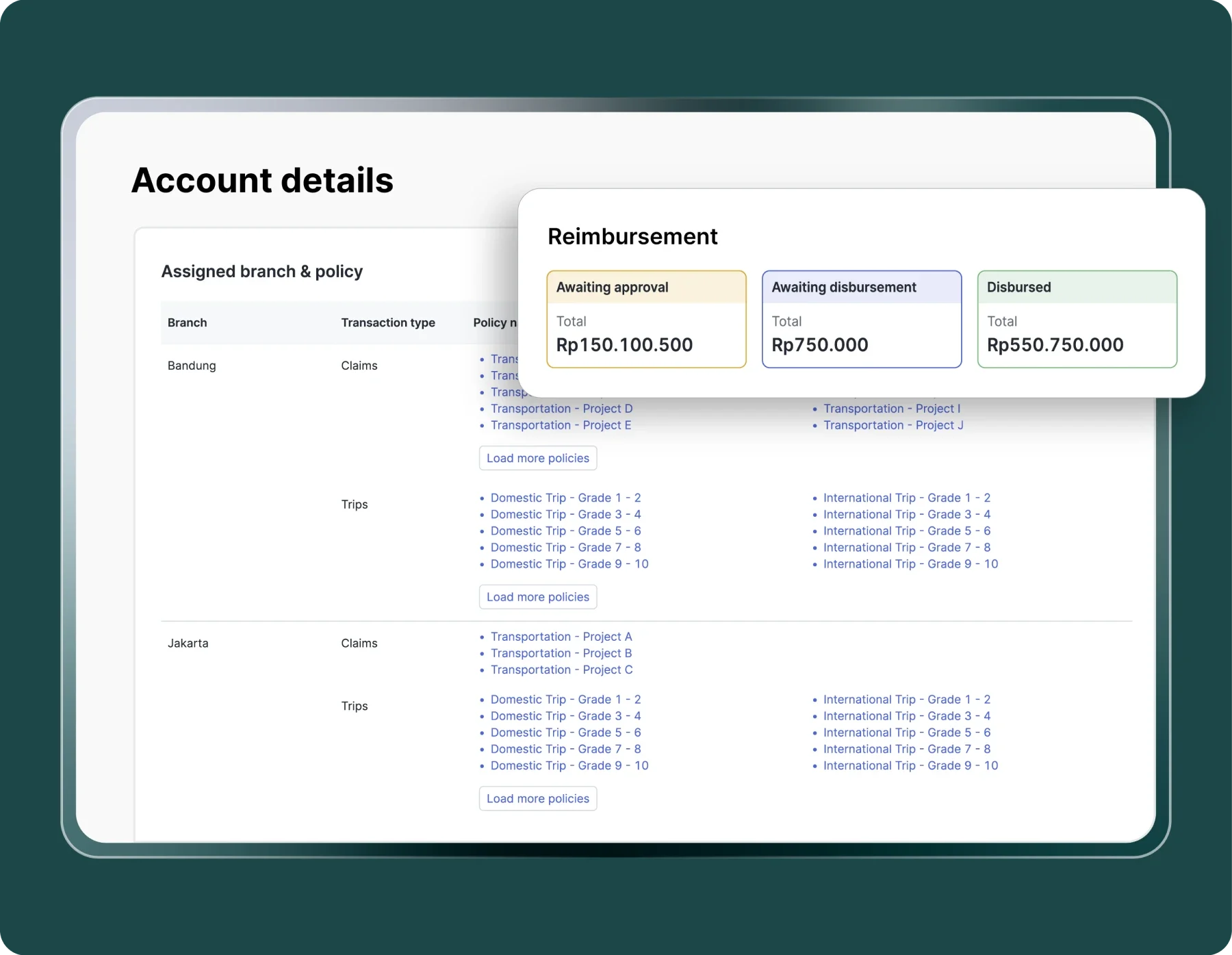
- Flexibly allocate budgets by branch, department, or projectโall managed within a single integrated platform
- Set role-based access for each employee
- Automate payments
- Manage reimbursement claims with ease
- All financial activities are recorded in real time and remain fully transparent, thanks to seamless integration with accounting software.
If you are looking for enterprise budgeting software that is easy to use and aligned with modern business structures, Mekari Expense is a strong choice.
References
Abacum. โโ10 Best Business Budgeting Software Tools for 2025โโ
Cube. โโ22 best business budgeting software solutionsโโ
Freshwork. โ20% of Software Budgets Wasted on Unnecessary Business Complexity, Freshworks Survey Findsโ
FAQ
What is enterprise budgeting software?
Enterprise budgeting software is a system used by companies to plan, manage, and monitor budgets centrally with real-time visibility.
Why do businesses need budgeting software?
Manual budgeting processes are prone to errors and delays, while software improves accuracy, efficiency, and financial control.
What are the key benefits of enterprise budgeting software?
It provides better budget control, real-time expense visibility, improved collaboration, and data-driven decision-making.
How does Mekari Expense support budgeting processes?
Mekari Expense helps businesses structure budgets through Budget Allocation, monitor spending in real time, and integrate financial workflows in one system.