

10 Tail Spend Management Software to Control Small Spend
Mekari Insight
- Tail spend, low-value, high-frequency purchases, can account for a disproportionately large share of total operational costs, yet it remains the least controlled area of procurement in most organizations. Managing it isn’t optional; it’s a measurable cost-saving opportunity.
- The right software turns fragmented, invisible spending into structured, auditable procurement, giving teams visibility across vendors, budgets, and transactions without adding operational burden.
- For businesses in Indonesia, Mekari Expense offers the best tail spend management software: a fully integrated procurement-to-payment platform built around local business practices, multi-branch operations, and enterprise-grade data security.
Small, frequent purchases rarely make headlines, but left unmanaged, they quietly drain company budgets by tens of percent of total operational costs.
No tracking system means no oversight, and before long, what seemed like pocket change turns into a procurement problem.
That’s exactly the gap tail spend management software is built to close.
What is tail spend software?
Tail spend management software is a procurement solution specifically designed to manage low-value, high-frequency purchases, the type of spending that often falls outside formal procurement controls but can collectively amount to a significant portion of a company’s total operational costs.
The software automates these purchases, centralizes transaction data into a single system, enforces company purchasing policies, and reduces the manual workload on procurement teams โ allowing them to redirect focus toward higher-value, strategic sourcing activities.
Common tail spend categories include:
- Petty cash and expense items (meals, fuel, business travel)
- E-marketplace purchases (stationery, IT accessories, snacks)
- Custom catalogs (lab equipment, uniforms, production supplies)
- Tactical buys from occasional vendors outside formal contracts
- One-off spot purchases for urgent, ad-hoc needs
Why companies can’t afford to ignore it
Without the right system in place, tail spend easily slips outside procurement controls, unrecorded, unmonitored, and disconnected from any sourcing strategy. Here’s why investing in a dedicated solution makes business sense.
1. Real cost savings
According to BCG’s report Taming Tail Spend, companies that actively manage tail spend using digital tools can cut related expenditures by 5โ10% on average, a meaningful efficiency gain, especially for high-transaction businesses.
2. Full spending visibility
Fragmented purchases across teams and departments become a unified, searchable data set. Duplicate orders, hidden costs, and vendor consolidation opportunities all surface when everything lives in one place.
The scale of the visibility problem is significant: according to Deloitte’s 2018 Global CPO Survey, 65% of procurement leaders have limited or no visibility beyond their tier-1 suppliers, making consolidated spend data not just a nice-to-have, but a strategic necessity.
3. Better policy compliance
Automated workflows ensure that even the smallest purchase follows internal rules, dramatically reducing maverick spending and rogue procurement that slips through the cracks.
4. Operational efficiency
Digital approvals replace manual paperwork. Procurement cycles speed up. Teams stop drowning in low-value transactions and start focusing on work that actually moves the needle.
According to a Spend Matters study, procurement professionals spend the majority of their time managing 80โ90% of suppliers that represent less than 5โ10% of total spend and business value, a clear sign that without proper tail spend controls, team capacity gets consumed by low-impact work.
5. Risk reduction
Integrated supplier checks help catch quality issues, legal non-compliance, and fraud risk, problems that often originate from unvetted, informal vendors.
Read more: Procurement Fraud: How to Spot Signs and Prevent Schemes
6. Smarter decision-making
Real-time analytics turn spending data into actionable strategy. Instead of reacting to budget overruns, companies can plan ahead with confidence.
Top tail spend software recommendations
Tail spend management software closes the gap between uncontrolled spending and structured procurement.
The following platforms each bring a distinct approach, from AI-powered analytics to consolidated invoicing, to help businesses of all sizes take back control.
1. Mekari Expense

Mekari Expense is a spend management software equipped with a procurement module designed to help companies manage all forms of expenditure, tail spend included.ย
By automating the entire procurement process from purchase request to payment, it accelerates procurement cycles, simplifies workflows, and boosts team productivity, making it an ideal solution for managing tail spend effectively and efficiently.
Key features for tail spend management:
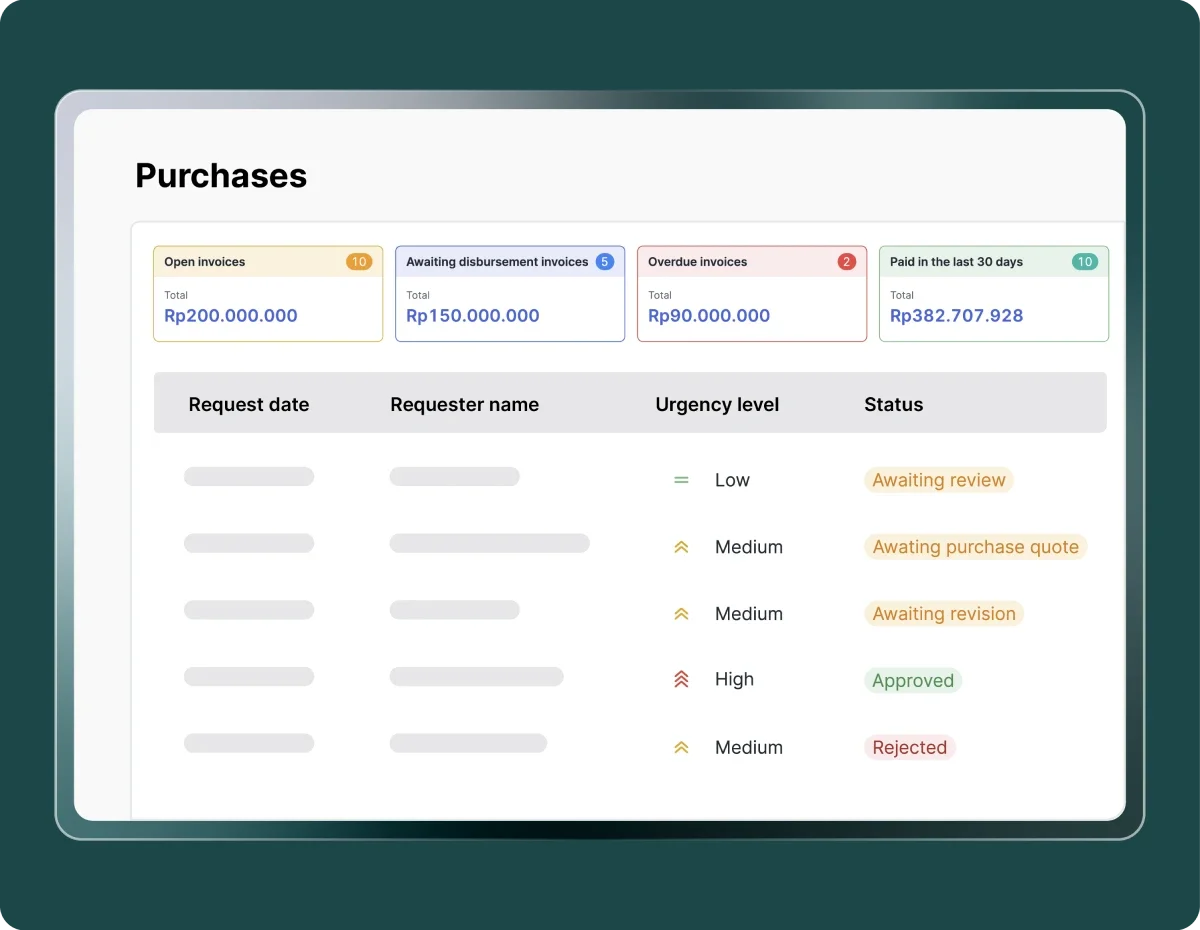
- Centralized data management: Tail spend data from across teams and business units is consolidated into a single platform, improving visibility and control over low-value but recurring transactions.
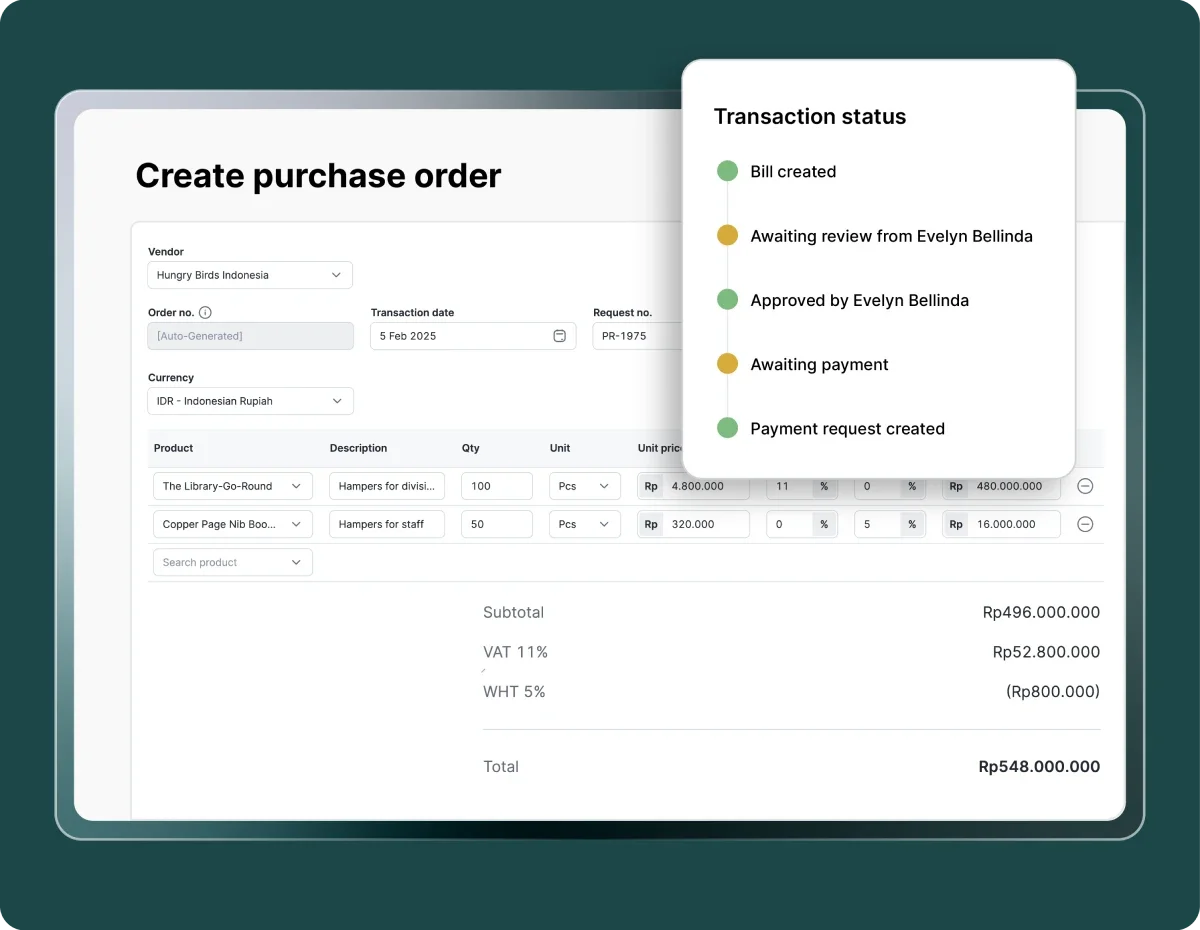
- Automated purchase requests and approvals: Non-PO purchase submissions can be processed quickly and in full compliance with company policy, reducing manual work and speeding up approval cycles.
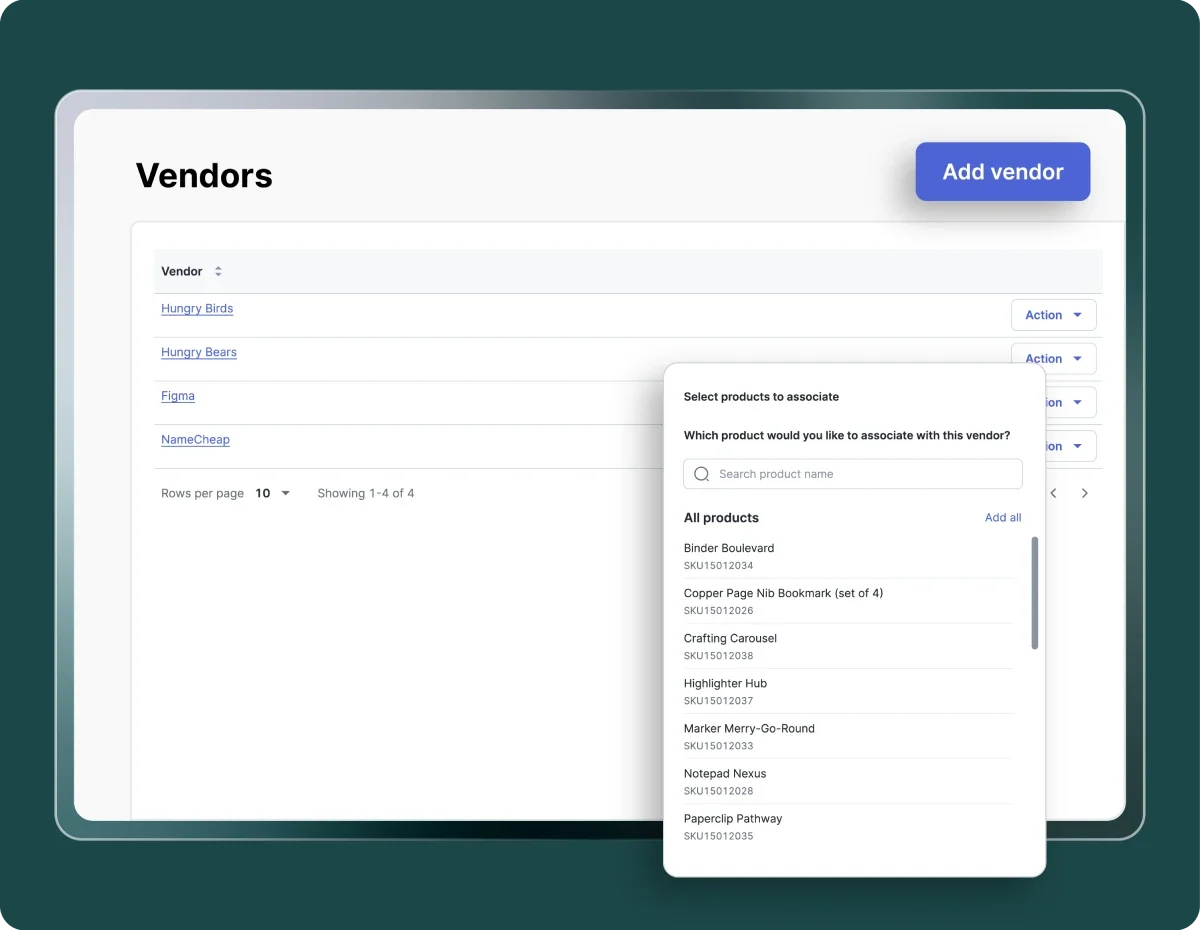
- Practical vendor management: From onboarding and activity tracking to compliance checks, every step of the vendor relationship is handled within one system โ ensuring purchases are only made through verified, trusted suppliers.
- Spend tracking and reporting: A real-time dashboard presents detailed reports on tail spend patterns, helping companies identify efficiency opportunities, consolidate purchases, and build stronger negotiation strategies.
- Customizable purchase orders: Teams can create and manage purchase orders that align with current internal policies, ensuring every transaction is formally recorded and audit-ready.
- Budget monitoring: The system tracks spending against each division’s allocated budget and sends notifications when expenditure is approaching its limit.
Best for: Small, mid-sized, and large enterprises across industries โ particularly those that need a fully integrated end-to-end procurement system capable of handling high volumes of small transactions efficiently.
Baca Juga: Top 7 Procurement Automation Software to Streamline Procurement Cycle
2. Coupa

One of the leading Business Spend Management (BSM) platforms globally, Coupa unifies procurement, payments, budgeting, and vendor management in a single cloud ecosystem.
Key features:
- Coupa Advantage, access to pre-negotiated global supplier contracts
- Community Intelligence, anonymized benchmark data from thousands of companies for smarter purchasing decisions
- Automated invoice processing to eliminate manual entry and delays
- Built-in policy enforcement at every purchase step
Read more: Procurement Compliance & Governance Framework Guide
3. Ivalua

A highly configurable source-to-pay platform designed for large enterprises managing complex, multi-business-unit spending, tail spend included.
Key features:
- Guided buying to steer users toward approved vendor catalogs
- Streamlined supplier onboarding for urgent procurement needs
- Deep spend visibility down to individual transaction level
- Fully flexible workflows covering approvals, contracts, and rebate tracking
4. Procurify

A procurement management app that prioritizes user experience and mobile accessibility, a great fit for mid-sized organizations that need daily budget control without enterprise-level complexity.
Key features:
- Real-time budget tracking before purchases are made
- Mobile approval workflows for on-the-go procurement teams
- Purchasing card integration (physical and virtual) for tracking small transactions
- Customizable approval flows that mirror actual org structures
5. GEP SMART

A unified, AI-powered cloud procurement solution covering the full spend lifecycle from sourcing to payment.
Key features:
- AI-driven spend analysis that auto-categorizes unstructured tail spend data
- Smart invoicing with automated PO matching to reduce errors
- Compliance tracking across small-ticket transactions
- Supplier collaboration portal for faster issue resolution
6. Collective Spend
A platform that pools purchasing demand from multiple companies to unlock collective bargaining power, turning scattered tail spend into competitive pricing.
Key features:
- Spend consolidation to aggregate small purchases into high-volume orders
- Marketplace integration with pre-negotiated supplier pricing
- Outsourced vendor management by an in-house expert team
- Demand forecasting to support smarter purchase planning
7. Order.co (formerly Negotiatus)
A purchasing management solution that connects thousands of suppliers under one interface, one login, one consolidated invoice, done.
Key features:
- One-click purchasing across multiple suppliers without juggling portals
- Consolidated monthly invoicing across hundreds of small transactions
- Automatic GL coding for faster bookkeeping
- Contract price enforcement to prevent off-contract purchasing
8. Zycus
A source-to-pay platform powered by its proprietary AI engine “Merlin,” which transforms messy, unstructured procurement data into clear, actionable insights.
Key features:
- Merlin AI for automatic data extraction from invoices, contracts, and documents
- Auto-classify technology that sorts millions of small transactions with high accuracy
- Virtual procurement assistant for guided, policy-compliant buying
- Spend forecasting based on historical data trends
9. Spendesk
A spend management platform that combines corporate cards (physical and virtual), invoice payments, and reimbursements into one streamlined system.
Key features:
- Single-use virtual cards for secure, trackable online purchases
- Instant approval workflows for fast-moving small expenses
- Subscription management to track, pay, and cancel recurring software costs
- Automated reimbursements connected directly to accounting systems
10. Simfoni
Simfoni takes a Spend-as-a-Service approach, pairing advanced analytics software with real operational support to help companies tackle tail spend both tactically and strategically.
Key features:
- Tactical Buying Desk: dedicated professionals handling bidding and negotiations
- Automated price benchmarking across multiple suppliers
- Diversity and ESG tracking to direct spend toward sustainable or minority-owned suppliers
- Supplier scorecards for ongoing performance and compliance monitoring
The best tail spend management software for companies in Indonesia
For businesses operating in Indonesia, Mekari Expense stands out as the strongest tail spend management software available.ย
With full integration between its procurement module and spend management system, scattered low-value expenditures can be monitored and controlled within a single platform โ no switching between tools, no blind spots.
Why Mekari Expense:
- End-to-end procurement connectivity: The entire process from purchase request to payment runs within one application, eliminating handoff gaps and delays.
- Automated workflows with built-in authorization: Every transaction follows company policy and approval hierarchies automatically, reducing the risk of non-compliant spending.
- Standardized vendors and products: A curated supplier and product database keeps transactions consistent, traceable, and easy to audit.
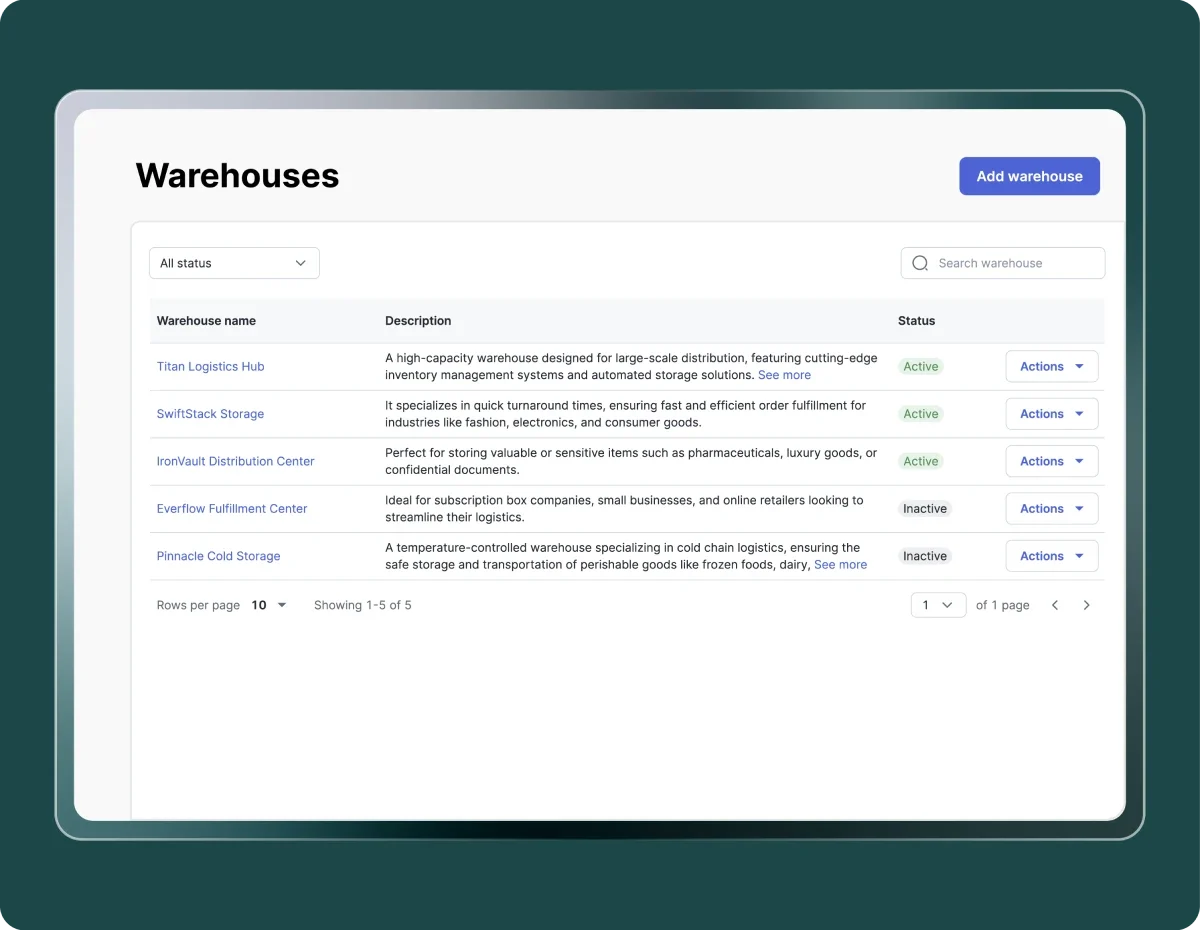
- Multi-branch and multi-warehouse support: Manage spending across multiple office locations and warehouses from a single, unified dashboard.
- Built for Indonesian business practices: The platform is tailored to local regulatory requirements and operational norms, making compliance straightforward rather than an afterthought.
- ISO 27001-certified data security: Enterprise-grade data protection ensures that sensitive procurement and financial information stays secure.
Ready to bring your tail spend under control? Learn more about how Mekari Expense can work for your business.
References
Cloud Eagle. โโ7 Best Tail Spend Management Solutions in 2025โโ
Order. โโTop 5 Tail Spend Software Tools Compared: Buyerโs Guideโโ
Procurement Mag. โโTop 10: Tail Spend Platformsโโ
FAQ
1. What is the difference between tail spend and maverick spending?
Tail spend refers to low-value, high-frequency purchases that fall outside formal procurement channels due to their size, not necessarily due to non-compliance. Maverick spending, on the other hand, specifically describes purchases made outside approved processes or policies, regardless of value. Tail spend becomes maverick spending when it bypasses procurement controls entirely, which is precisely why having a system to manage it matters.
2. How much of a company's total spend typically falls into the tail spend category?
While tail spend transactions can represent up to 80% of a company’s total purchase volume, they typically account for only 20% of total spend value. This imbalance, many transactions, relatively low total value, is exactly what makes tail spend difficult to justify managing manually, yet significant enough to warrant a dedicated solution.
3. Can tail spend management software integrate with existing ERP or accounting systems?
Most modern tail spend management platforms are designed with integration in mind. Solutions like Mekari Expense support connectivity with ERP systems and accounting tools, enabling spend data, purchase orders, and invoices to flow across systems without manual re-entry, reducing errors and keeping financial records consistent.
4. How long does it typically take to see results after implementing tail spend management software?
Results vary by organization, but improvements in spend visibility and policy compliance are typically noticeable within the first few months of implementation, as data consolidation and automated workflows take effect. Measurable cost savings, such as the 5โ10% reduction cited by BCG, generally emerge over a longer horizon as vendor consolidation, better negotiation leverage, and reduced maverick spending compound over time.