





Procurement Compliance & Governance Framework Guide


Mekari Insight
- Procurement compliance is risk protection, not bureaucracy. A structured procurement governance framework helps prevent legal exposure, financial leakage, maverick spending, and reputational damage by ensuring every transaction follows defined policies and regulations.
- Clear policies, measurable KPIs, and continuous monitoring are essential. Effective compliance requires standardized procedures, strong approval controls, vendor oversight, and performance tracking through metrics such as spend under management and contract compliance rate.
- Automation makes compliance scalable and sustainable. Digital procurement systems like Mekari Expense embed approval matrices, centralized audit trails, and end-to-end transaction visibility — reducing manual monitoring while strengthening compliance enforcement.
Procurement rarely draws attention — until a compliance gap turns into a financial, legal, or reputational issue. Unapproved purchases, unmanaged vendors, and weak oversight can quietly erode budgets and expose organizations to regulatory risk.
As compliance standards and ESG expectations tighten, procurement can no longer rely on informal controls. A structured governance framework is essential to keep spending transparent, accountable, and aligned with business objectives.
This guide breaks down procurement compliance, its key components, and how to build a framework that strengthens control without slowing down operations.

What is procurement compliance?
Procurement compliance is the process of ensuring that every purchasing activity, from vendor selection to payment, follows applicable laws, regulations, internal policies, and agreed procedures.
At its core, procurement compliance aims to:
- Ensure adherence to legal and regulatory requirements (local, national, and industry-specific)
- Align purchasing with internal company policies and approval hierarchies
- Promote ethical and transparent supplier relationships
- Create consistency across departments and business units
Without compliance, purchasing decisions can expose the organization to fines, contract disputes, audit findings, supplier conflicts, or reputational damage.
For example, when a company imports raw materials from overseas, it must comply with customs rules, safety standards, and potentially environmental regulations.
Regardless of the category, the objective remains consistent: to ensure that each stage of procurement meets legal, ethical, financial, and environmental standards.
Extended procurement compliance practices
Procurement compliance is an ongoing practice embedded into organizational processes. In practice, it typically includes:
- Developing and distributing formal procurement policies
- Monitoring adherence to purchasing procedures and approval workflows
- Assessing procurement risks and designing mitigation strategies
- Conducting regular procurement audits and reporting to leadership
- Leveraging procurement software for automation, tracking, and reporting
Hence, technology plays a growing role in strengthening compliance. Automated approval flows, centralized vendor databases, and audit trails help reduce human error and prevent policy bypassing
Read more: Vendor Compliance: A Complete Guide for Finance Teams
The importance of a procurement governance framework
A procurement governance framework provides structured policies, defined roles, and control mechanisms that guide purchasing decisions.
1. Risk mitigation
One of the most critical benefits of procurement governance is risk reduction. Purchasing goods or services, especially technology solutions, can expose organizations to regulatory violations, cybersecurity threats, contractual disputes, or supplier reliability issues.
A structured governance framework ensures that proper due diligence, legal review, and risk assessments are conducted before commitments are made, significantly reducing potential exposure.
2. Cost control and prevention of overlap

Procurement governance also functions as a cost optimization tool. By enforcing review processes and centralized oversight, organizations can prevent redundant purchases, overlapping software licenses, and unnecessary vendor contracts.
For example, requiring a mandatory technology stack review before acquiring new SaaS solutions helps ensure the organization is not already paying for similar functionality elsewhere. This structured approach improves spend visibility and prevents budget leakage.
Read more: 10 Tail Spend Management Software to Control Small Spend
3. Standardization and operational efficiency
A well-defined framework standardizes procurement procedures across business units. Clear approval hierarchies, documentation requirements, and vendor evaluation criteria reduce inconsistencies and streamline decision-making.
As a result, procurement cycles become more predictable, controlled, and efficient without sacrificing oversight.
4. Transparency and strategic alignment
Procurement governance enhances accountability by documenting decisions, approvals, and supplier evaluations. This transparency strengthens internal controls and supports smoother audits.
More importantly, it aligns procurement activities with broader business objectives, ensuring that purchasing decisions contribute to financial discipline, operational resilience, and long-term strategic goals rather than functioning as isolated transactions.
Read more: Best 8 Cloud Purchase Order System that Cut PO Cost 70%
Types of procurement compliance
Procurement compliance can be categorized based on the source and scope of regulatory requirements.
1. Internal compliance
Internal compliance refers to the rules and controls established by the organization itself. These policies act as guardrails to manage spending and standardize procurement activities.
Examples include approval thresholds, preferred supplier lists, purchasing card rules, contract management procedures, conflict-of-interest disclosures, and internal audit protocols. Non-compliance may result in disciplinary action, financial consequences, or internal sanctions.
2. External compliance
External compliance is driven by laws, regulations, and industry standards imposed by governments or regulatory bodies. It applies when companies operate across jurisdictions, participate in public tenders, or source internationally.
Examples include trade sanctions, labor laws, environmental regulations, tax requirements, and industry certifications. Violations can lead to fines, legal action, blacklisting, or reputational damage.
3. Legal and regulatory compliance
Legal compliance ensures procurement processes align with applicable laws in the jurisdictions where the company operates.
This may involve trade laws, anti-corruption regulations, public procurement rules, food safety standards, supply chain transparency laws, or intellectual property protections. These frameworks aim to promote fair competition, prevent exploitation, and safeguard market integrity.
4. Contractual compliance
Contractual compliance focuses on adherence to negotiated terms between buyers and suppliers.
It ensures both parties meet agreed pricing structures, delivery timelines, service levels, and payment terms. Monitoring contractual performance protects value realization and strengthens supplier relationships.
5. Tax compliance
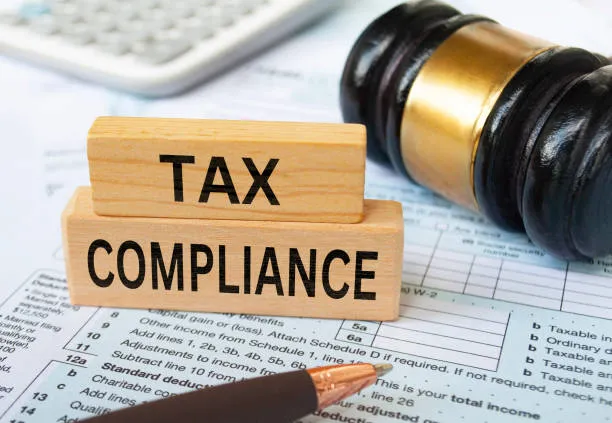
Procurement activities must account for accurate tax calculation and reporting, especially in cross-border transactions. Mismanagement of tax obligations can lead to overpayments, audit penalties, or regulatory disputes.
Tax compliance requires verifying supplier documentation, applying correct VAT or sales tax rules, and monitoring jurisdictional differences.
6. Environmental and sustainability compliance
Environmental, Social, and Governance (ESG) standards increasingly influence procurement decisions. Organizations must ensure suppliers meet sustainability expectations, ethical labor practices, and environmental certifications.
Frameworks such as sustainable sourcing standards and regulatory sustainability directives have elevated procurement’s role in corporate responsibility.
How to create a procurement compliance framework
Below are the structured steps to build a practical and sustainable framework.
1. Assess your current compliance position
Begin by identifying where your organization currently stands. This assessment helps uncover compliance gaps and structural weaknesses in procurement practices.
You should evaluate:
- Whether specific departments frequently bypass procurement procedures
- The presence of maverick or unapproved spending
- Contract utilization rates across teams
- Visibility of procurement data across business units
- Existing audit findings or recurring compliance issues
This diagnostic phase establishes a clear baseline before implementing improvements.
2. Rank compliance priorities
Not all compliance gaps carry the same level of risk or financial impact. Organizations operating with ad-hoc purchasing practices may need immediate controls over uncontrolled spend.
More mature organizations may need to focus on enforcing contract usage or improving policy adherence. Defining the business case behind each initiative ensures that compliance efforts add measurable value rather than creating unnecessary bureaucracy.
3. Research appropriate solutions
Different compliance gaps require different solutions. Avoid defaulting to a single approach without understanding root causes.
Potential solutions may include:
- Developing or updating procurement policies
- Standardizing approval workflows
- Implementing procurement or spend management software
- Improving training and internal awareness
- Strengthening vendor evaluation processes
Evaluate multiple options before selecting the most practical and scalable solution.
4. Understand organizational resources and constraints
Evaluate financial capacity, team capabilities, organizational culture, and cross-department collaboration.
Consider how quickly your organization adapts to change, how approvals are handled, and whether stakeholders are open to new controls. Recognizing potential barriers early helps prevent delays during implementation.
5. Map complexity and impact
Assess each initiative based on its expected impact and implementation difficulty.
Complexity may involve budget constraints, multi-stakeholder approvals, technical integration challenges, or change management resistance. This mapping helps prioritize initiatives realistically.
6. Identify high-value targets
Prioritize initiatives that provide meaningful impact relative to effort.
- High impact, low difficulty: Quick wins that build momentum
- High impact, high difficulty: Strategic initiatives requiring structured execution
- Low impact, high difficulty: Typically deprioritized
- Low impact, low difficulty: Optional improvements
This prioritization ensures resources are allocated efficiently.
7. Define measurable success criteria
Clearly define what procurement compliance success looks like within your organization. Success must be measurable and tied to performance outcomes.
Examples of measurable targets include:
- Increasing spend under management
- Reducing non-compliance incidents
- Improving contract compliance rate
- Shortening procurement cycle time
- Increasing preferred supplier utilization
Quantifiable metrics enable accountability and performance tracking.
8. Establish realistic timelines
Once goals are defined, develop timelines aligned with initiative complexity.
Short-term initiatives may involve:
- Policy updates
- Communication rollouts
- Minor workflow adjustments
Long-term initiatives may include:
- Technology implementation
- Data integration
- Organization-wide training
- Cultural change programs
Structured timelines ensure steady progress and manageable execution.
9. Maintain accountability and continuous monitoring
Procurement compliance is an ongoing discipline, not a one-time project. Continuous oversight ensures sustainability.
To maintain accountability:
- Conduct regular spend analysis
- Track KPIs through dashboards or reporting tools
- Monitor audit findings and resolution rates
- Review compliance performance periodically
- Adjust controls as regulatory or business needs evolve
A strong monitoring system ensures procurement compliance remains adaptive, measurable, and aligned with organizational goals.
Read more: Spend Analysis in Procurement: Guide to Cost Savings
Key components of procurement compliance framework
A strong procurement compliance framework depends on structured policies, clear controls, capable teams, and measurable performance indicators working in alignment.
1. Clear procurement policy
A comprehensive procurement policy sets governance standards, approval hierarchies, supplier selection criteria, contract management rules, and ethical guidelines.
It acts as the foundation for consistent decision-making and should be reviewed regularly to remain aligned with evolving regulations and business needs.
2. Standardized procurement procedures
Each stage of procurement, from needs identification and supplier evaluation to contracting and payment, should follow defined procedures. Standardization reduces ambiguity, embeds compliance checks, and improves operational consistency.
3. Training and capability development
Procurement professionals must understand regulatory requirements, internal controls, contract terms, and emerging risks. Ongoing training strengthens risk awareness, improves judgment, and builds accountability throughout the procurement lifecycle.
4. Compliance management mechanisms
Effective governance includes built-in regulatory checks, structured approval workflows, and audit-ready documentation systems. Clear transaction tracking and approval logs reduce regulatory exposure and improve audit readiness.
5. KPI management and performance tracking

KPIs provide measurable visibility into procurement compliance effectiveness. Metrics should reflect regulatory exposure and organizational priorities. Common indicators include:
- Spend under management (SUM): Percentage of total spend processed through approved channels.
- Contract compliance rate: Adherence to agreed pricing, delivery, and service terms.
- Audit finding resolution rate: Speed of resolving procurement-related audit issues.
- Procurement cycle time: Duration from purchase request to delivery.
- Non-compliance incidents: Frequency of policy violations.
- Cost of compliance: Resources allocated to maintain regulatory adherence.
- Reporting rate: Timeliness of required compliance documentation.
- Supplier diversity metrics: Inclusion of diverse suppliers aligned with ESG objectives.
Tracking these KPIs enables early gap detection and continuous improvement.
6. Cross-functional communication
Strong communication between procurement, finance, legal, leadership, and suppliers ensures alignment and transparency. Structured reporting, feedback loops, and regular coordination reduce misalignment and strengthen vendor relationships.
Read more: Procurement Maturity Model: 4 Stages to Procurement Excellence
How Mekari Expense supports procurement compliance
Mekari Expense’s Procurement module is tailored for Indonesian businesses and designed to align with local regulatory requirements. The platform is protected by ISO 27001 certification, ensuring international-standard data security while meeting both domestic compliance obligations and global security standards.
Beyond regulatory alignment, the system prioritizes automation to reduce manual compliance monitoring.
1. Automated approval workflows
Mekari Expense digitizes PO creation and automatically routes approvals based on your company’s authorization matrix. This ensures:
- Every transaction follows predefined approval thresholds
- No purchase proceeds without proper authorization
- Vendor details, pricing, and documents are automatically recorded
- Approval history is stored for audit purposes
By embedding compliance rules into the workflow, the platform minimizes human error and prevents policy bypass.
2. Centralized monitoring and real-time audit trail
All procurement transactions — from PO to payment — are recorded in a centralized dashboard. This eliminates the need to collect documents manually across departments during audits.
With real-time tracking and complete audit trails, finance teams can verify compliance faster while reducing administrative effort.
3. Controlled vendor and purchasing management
The system maintains a structured vendor database and standardized purchasing controls to prevent unauthorized or duplicate transactions.
This improves spend visibility, supports internal governance policies, and reduces compliance risks such as overlapping subscriptions or unmanaged supplier relationships.
4. End-to-end traceability
By integrating the full procurement cycle in one platform, Mekari Expense ensures no transaction falls outside monitoring controls. From request to payment, every step is traceable, structured, and policy-aligned.
Learn more about the Procurement module in Mekari Expense.
References
Precoro. ‘’Procurement Compliance Explained: Examples, Challenges, and Best Practices’’
Vendr. ‘’Procurement compliance: Importance & best practices’’
FAQ
1. What is procurement compliance?
1. What is procurement compliance?
Procurement compliance ensures that all purchasing activities follow applicable laws, regulations, internal policies, ethical standards, and contractual obligations. This includes adherence to trade regulations, tax rules, ESG requirements, vendor certifications, and internal approval frameworks.
2. How do you measure procurement compliance?
2. How do you measure procurement compliance?
Procurement compliance is measured using performance indicators that track control and adherence. Common metrics include:
- Spend under management
- Contract compliance rate
- Number of non-compliance incidents
- Audit findings and resolution rate
- Procurement cycle time
- Supplier diversity metrics
- Cost of compliance
- Reporting timeliness
These KPIs help identify gaps and monitor improvement over time.
3. Why is procurement governance important?
3. Why is procurement governance important?
Procurement governance establishes structured policies, approval hierarchies, and monitoring mechanisms that reduce legal, financial, and operational risk. It ensures purchasing decisions are transparent, aligned with company objectives, and protected from fraud, regulatory violations, or unmanaged spending.
4. How can procurement software improve compliance?
4. How can procurement software improve compliance?
Procurement compliance software strengthens control by automating approval workflows, centralizing documentation, and creating real-time audit trails. It reduces manual monitoring efforts, improves reporting accuracy, detects policy violations early, and ensures transactions follow predefined governance rules.
Mekari Expense’s Procurement module digitizes PO approvals based on authorization matrices, records vendor and transaction data automatically, and provides centralized dashboards for audit readiness. By embedding compliance rules directly into the system, organizations can monitor procurement activities consistently while reducing administrative effort.