

11 mins read

7 Top-Rated Business Budget Tracking Software Solutions

mekari expense business budget tracking software featured image

Mekari Insight

Before choosing a platform, it helps to compare each option based on where it fits best. You can narrow down the right choice based on your company size, structure, and spend management needs.

  • Mekari Expense Budget Allocation: Best for mid-to-large Indonesian companies, global companies expanding into Indonesia, and multi-branch businesses that need centralized budget control.
  • Coupa: Best for large enterprises that need end-to-end spend governance across procurement, invoicing, expenses, and finance.
  • Oracle NetSuite: Best for mid-to-large companies that want ERP, budgeting, and real-time financial tracking in one platform.
  • Payhawk: Best for European-based or globally distributed mid-market companies that need corporate cards, expense management, and budget tracking in one solution.
  • Procurify: Best for mid-market companies in operations-heavy industries, such as manufacturing, education, and healthcare, that need strong pre-spend controls.
  • QuickBooks Enterprise / Advanced: Best for small to mid-sized businesses already using QuickBooks that want built-in budget tracking without switching platforms.
  • SAP Concur: Best for large multinational corporations that need advanced travel, expense, invoice, and global compliance management.

Most companies think their budgets are under control, until the numbers start drifting off plan. PMIโ€™s Pulse of the Profession found that 43% of projects exceed their original budget, with an average overrun of 27%. Often, the problem is not careless spending, but limited real-time visibility into where the money is going. 

That is where business budget tracking software helps, by centralizing spend data, automating variance analysis, and alerting finance teams before overspending becomes a bigger issue. 

In this guide, we will explore what business budget tracking software is, why it matters, the key features to look for, and seven of the best solutions, including one built for Indonesian companies managing both local and global transactions.

What is business budget tracking software?

Business budget tracking software is a solution that helps companies plan, monitor, and control spending in real time. Unlike static spreadsheets that only show historical data, it syncs actual spend from accounting systems, corporate cards, expense reports, vendor invoices, and other finance tools into one centralized dashboard.

In simple terms:

  • Business budgeting is the process of forecasting how much the company plans to spend in a certain period.
  • Budget tracking is the ongoing process of monitoring actual spend against the budget and flagging deviations before they become overruns.

This software helps eliminate delays caused by scattered data across ERP systems, spreadsheets, cards, and invoices. It is commonly used by:

It is also useful across different teams:

  • Finance teams use it for period-close accuracy and variance reporting.
  • Operations managers use it to monitor departmental spend against allocated budgets.
  • C-suite leaders use it to support faster, real-time strategic decisions.

Why businesses need budget tracking software

Budget issues rarely happen overnight. In most cases, they build up gradually because teams do not have real-time visibility into actual spending. The data below shows why budget tracking software is becoming essential for growing businesses.

1. Budget overruns are common

Budget overruns are not rare cases. They happen across many companies and projects, often because finance teams only spot the issue after spending has already gone too far.

Statistic

According to PMIโ€™s Pulse of the Profession, 43% of projects exceed their original budget, with an average overrun of 27%. Other studies also suggest that 60โ€“80% of business projects go over budget, sometimes reaching double the initial estimate.

2. Poor spend visibility leads to financial waste

When companies cannot see where money is going in real time, unnecessary spending becomes harder to detect and control.

Statistic

McKinsey research, as cited by ExpenseAnywhere, estimates that poor spend visibility can create avoidable waste equal to 1โ€“3% of annual revenue. For a company with $10 million in revenue, that could mean $100,000โ€“$300,000 in preventable losses each year.

3. Spreadsheets create budget blind spots

Spreadsheets may work in the early stage, but they often become unreliable as spending grows across teams, vendors, and projects.

Statistic

An Abacum survey found that 50% of small businesses operated without formal budgets in 2020. Even for companies that do use budgets, spreadsheet-based tracking often means decisions are based on data that is already 3โ€“6 weeks old.

4. Cross-department spending is harder to control

As companies grow, spending becomes spread across departments, branches, projects, and regions. Without one unified tracking system, finance teams may not see the full picture until month-end reconciliation.

This creates room for duplicate vendor payments, unauthorized purchases, missed budget limits, and delayed corrective action. Budget tracking software helps prevent this by giving finance and business leaders a clearer view of spending as it happens.

Top business budget tracking software for better spend control

With many budget tracking tools available, the best choice depends on your company size, spend complexity, approval process, and geographic needs. 

Below are seven business budget tracking software options worth considering, starting with a solution built for Indonesian companies that need strong budget control across local and global transactions.

1. Mekari Expense

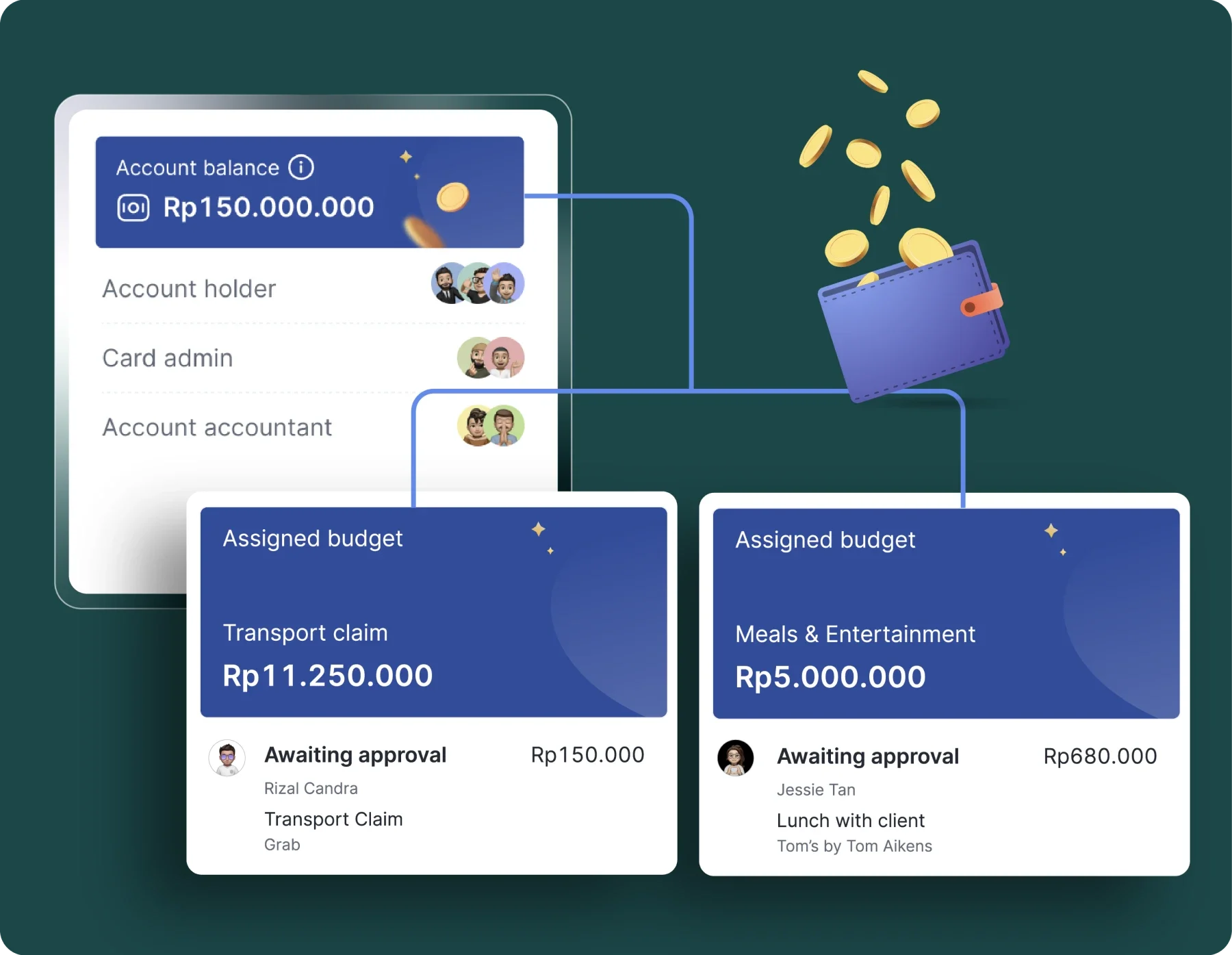
mekari expense budget allocation

Mekari Expense is one of the best business budget tracking software options for companies operating in Indonesia, especially those managing multi-branch operations, departmental budgets, and cross-border payments.

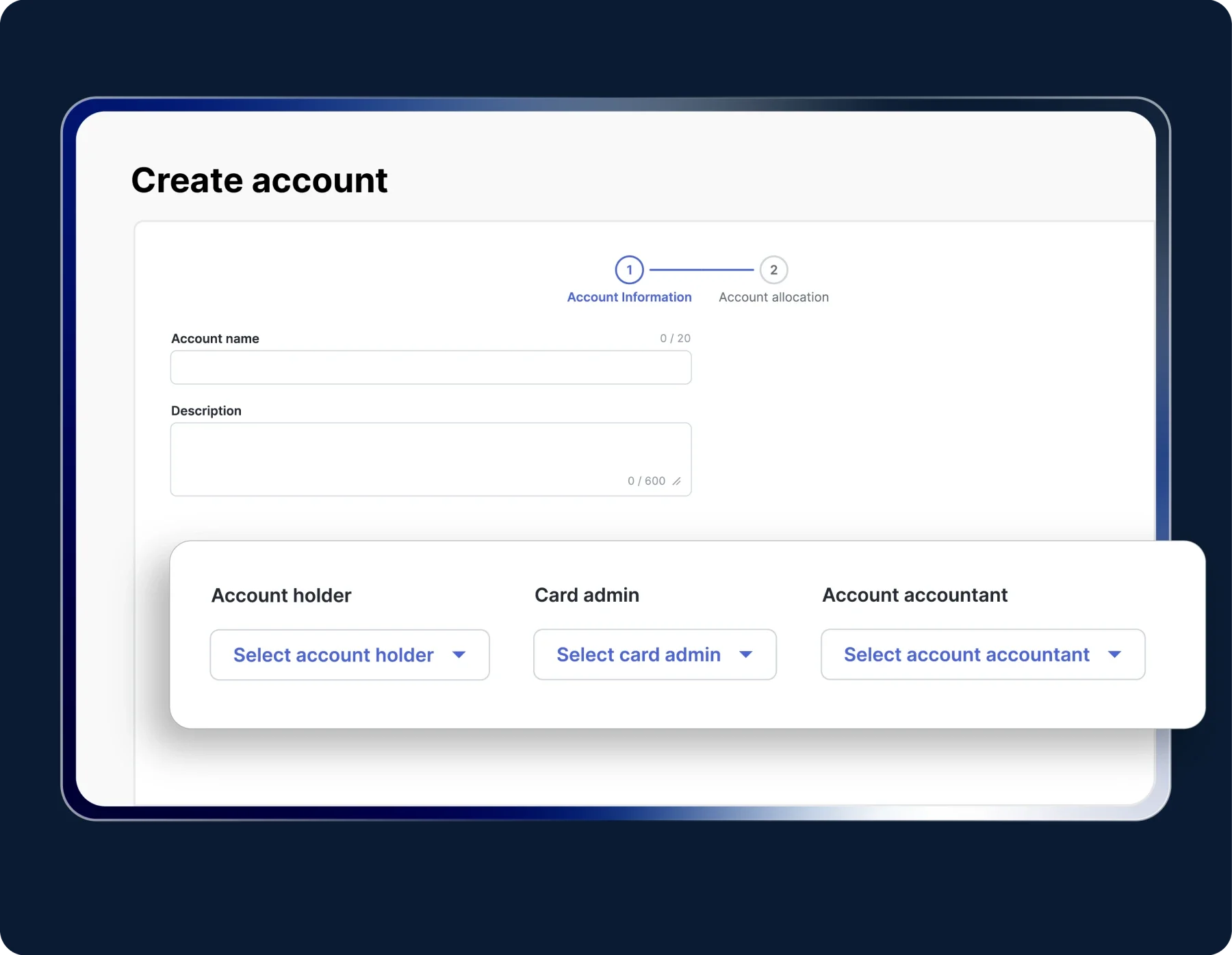
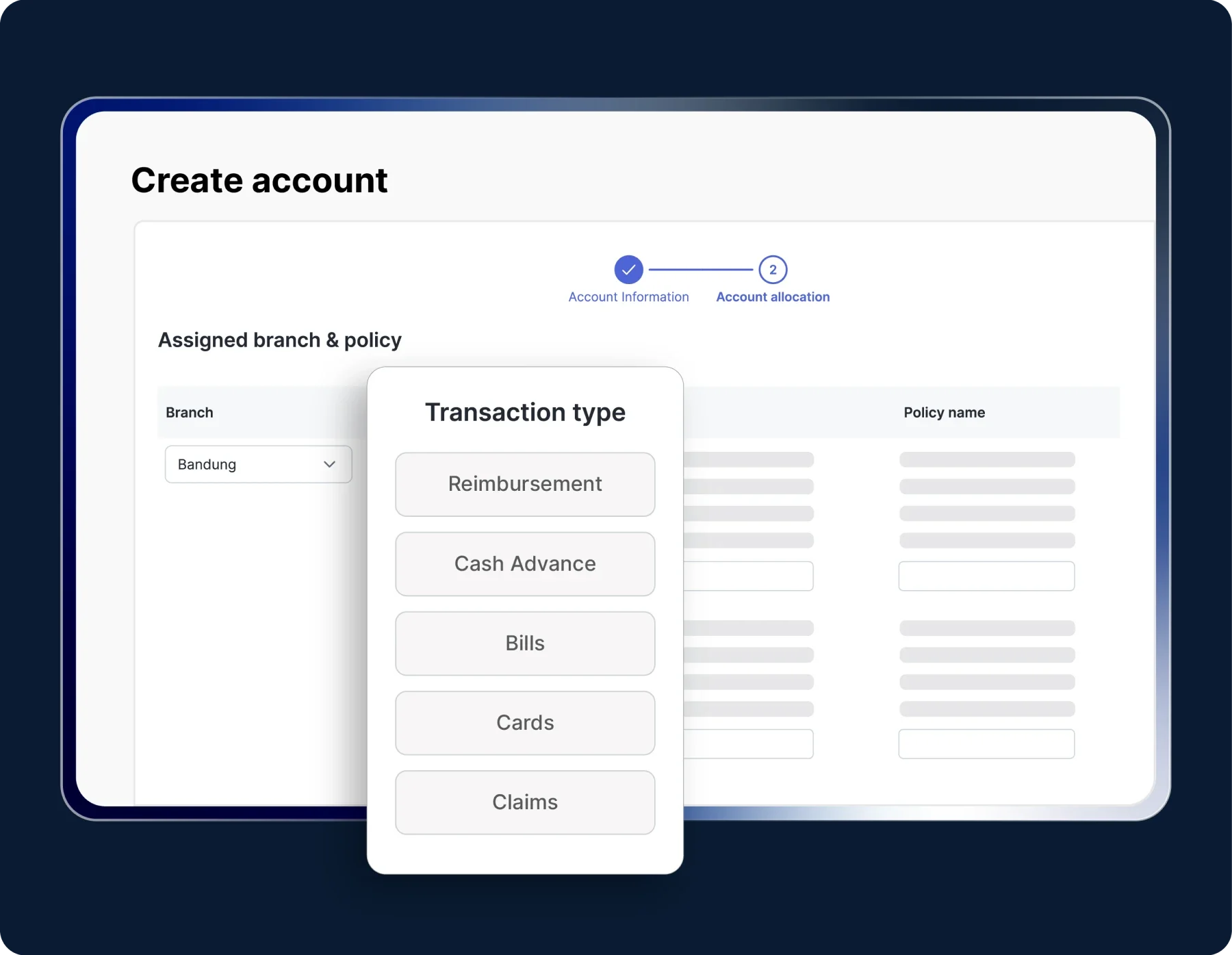
Its Budget Allocation feature allows finance teams to create sub-budgets by department, branch, project, cost center, or transaction type. Teams can monitor real-time balances from one centralized dashboard, while role-based access ensures each branch or department can manage its own budget without losing HQ-level visibility.

Key budget tracking capabilities include:

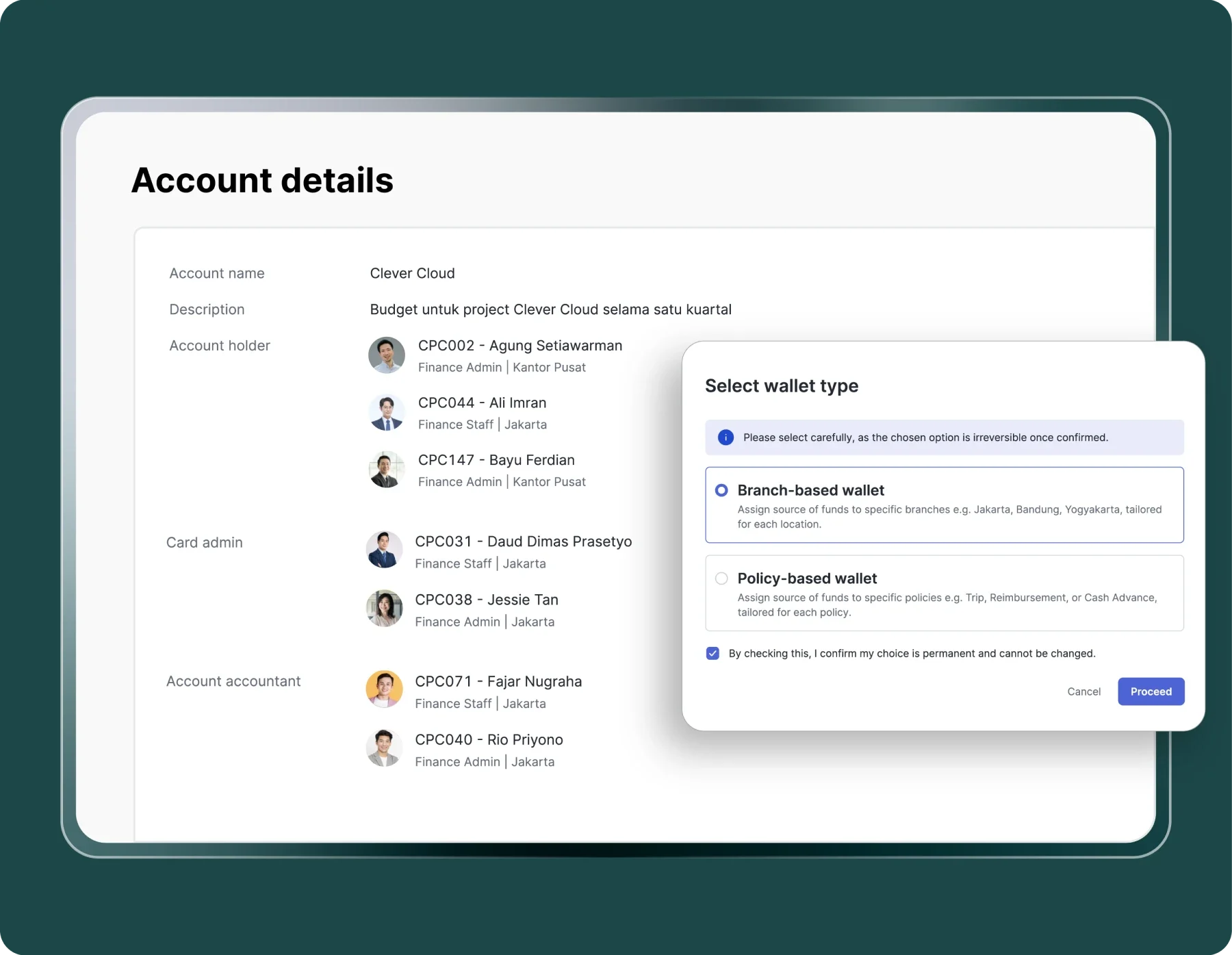
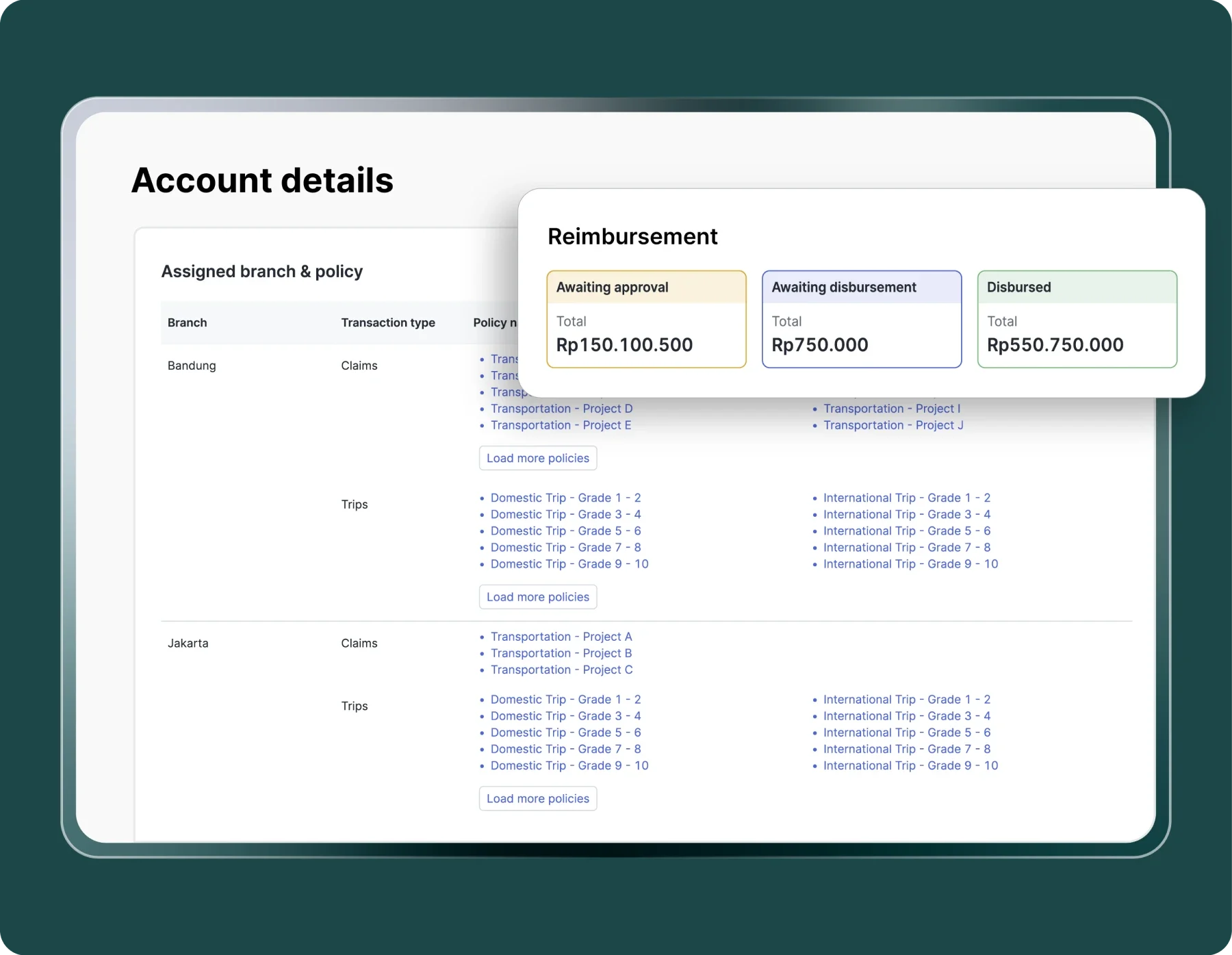
  • Flexible budget categorization: Create budget accounts by branch, department, project, cost center, or transaction type, such as reimbursement, cash advance, corporate card, and claims.
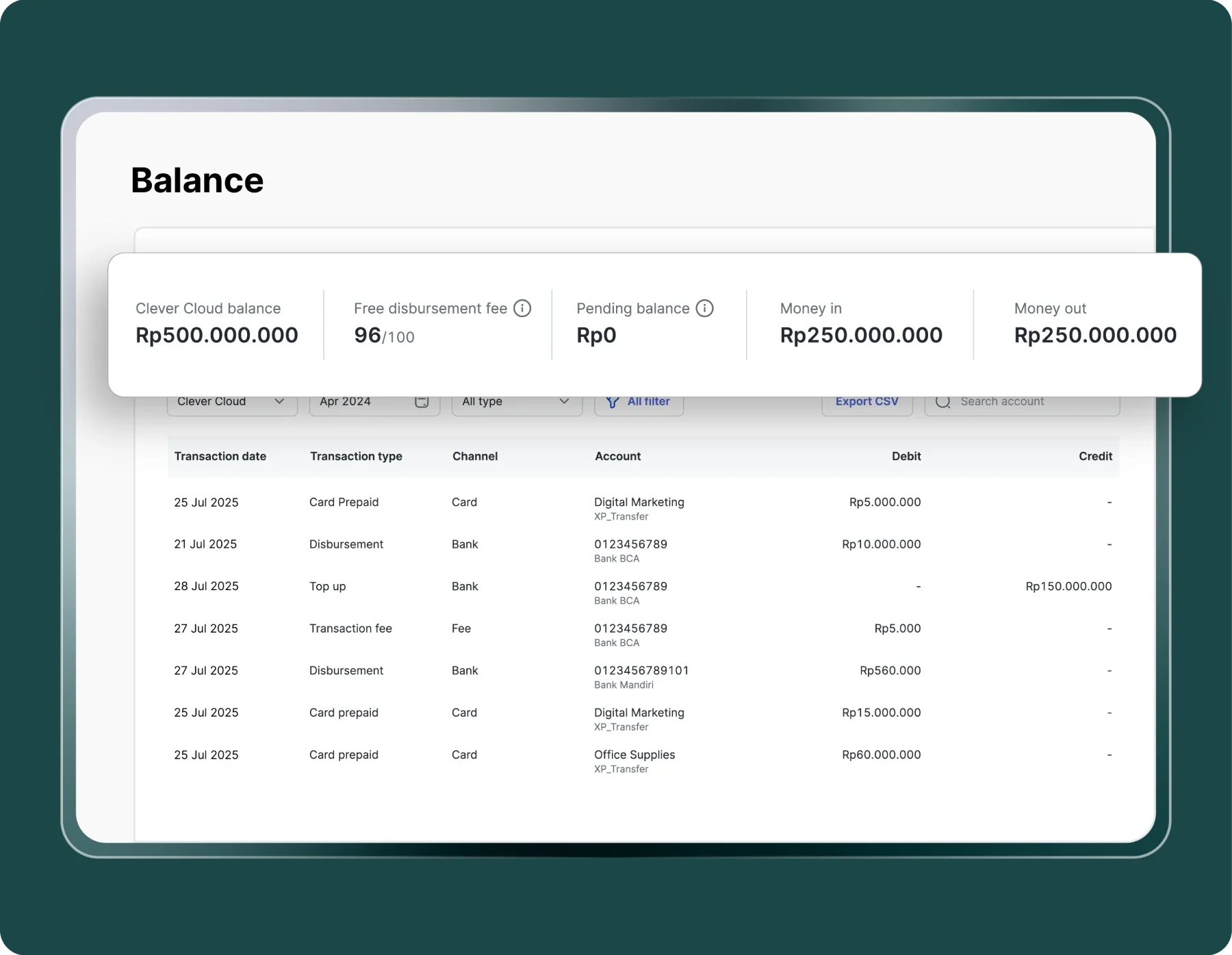
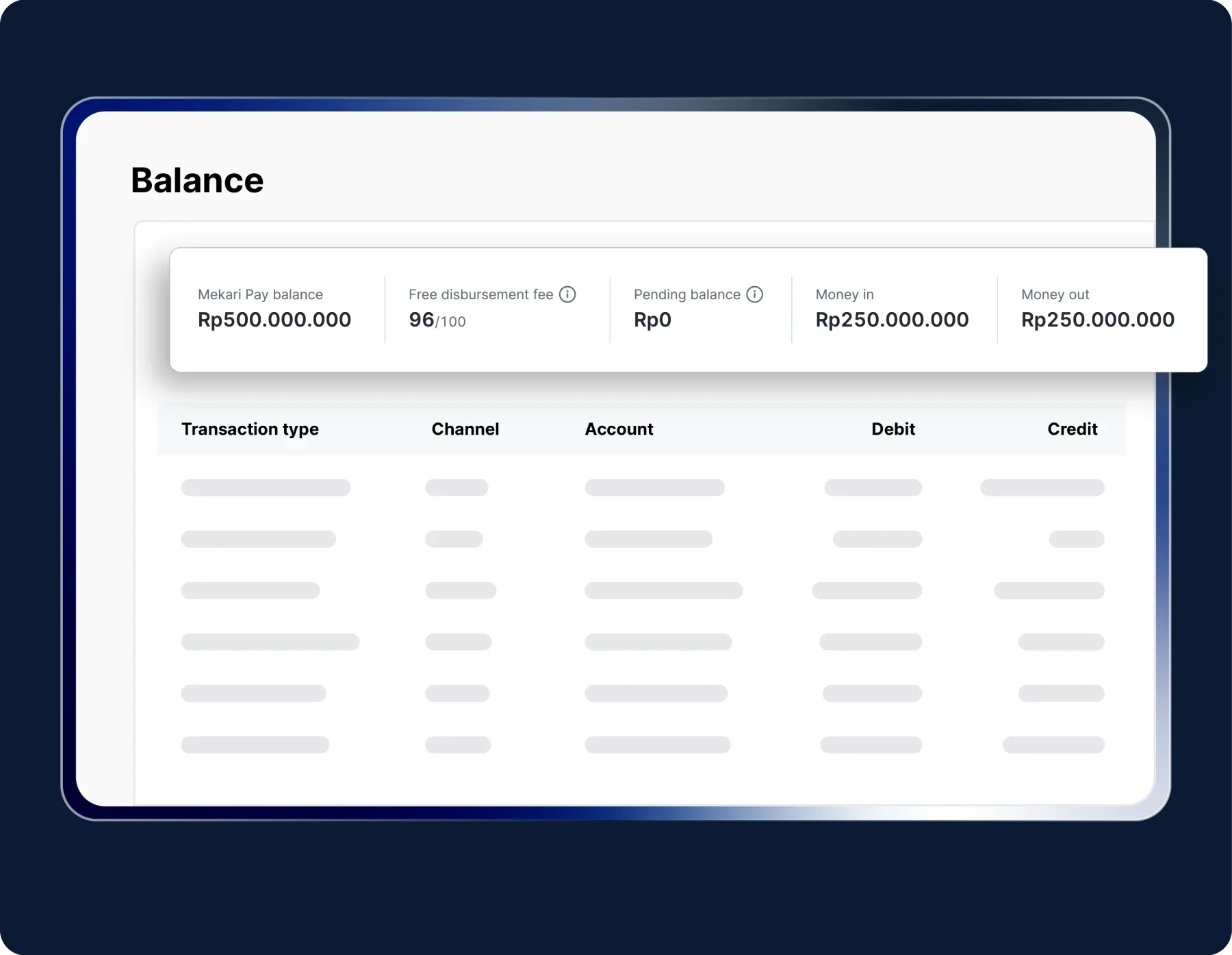
  • Centralized real-time dashboard: Monitor all budget balances, spending activity, and remaining allocations in one place.
  • Role-based access control: Allow each team or branch to manage its own budget while headquarters maintains full visibility.
  • Automated payment tracking: Link categorized bills and payments directly to designated budget accounts.
  • Accounting integration: Connect with Mekari Jurnal to simplify reconciliation and keep financial records updated.
  • International remittance support: Manage payments to global vendors with real-time exchange rates.
  • Corporate card budget control: Link Mekari Limitless Card spending directly to specific budget accounts.

Best for: Mid-to-large Indonesian companies, global companies expanding into Indonesia, and multi-branch businesses that need centralized financial control.

2. SAP Concur

A globally recognized enterprise platform for managing employee spend, travel bookings, and invoice processing, deeply integrated with ERP systems, particularly SAP ERP.

Key Features:

  • Automated expense report creation and approval workflows
  • Integrated travel booking with real-time budget impact visibility
  • Invoice management with multi-currency and multi-entity support
  • Deep SAP ERP integration with global compliance and audit controls

Best For: Large multinational corporations requiring complex, multi-level approval hierarchies and robust global compliance frameworks.

3. Coupa

An enterprise Business Spend Management (BSM) platform that unifies procurement, invoicing, expense management, and budget control in a single suite.

Key Features:

  • Real-time spend visibility across the entire procurement lifecycle
  • AI-powered anomaly detection to flag policy violations and unusual spending
  • End-to-end purchase-to-pay workflow with configurable approval routing
  • Supplier management and contract compliance tools

Best For: Large enterprises needing comprehensive, end-to-end spend governance across procurement and finance functions.

4. Oracle NetSuite

A cloud ERP platform with built-in financial planning, budgeting, and real-time spend tracking, connecting budget management directly to the general ledger.

Key Features:

  • Live budget-vs-actual variance analysis without manual reconciliation
  • Native general ledger integration eliminating the need for separate tools
  • Multi-subsidiary and multi-currency financial consolidation
  • Customizable financial dashboards and reporting for Finance teams

Best For: Mid-to-large companies that want ERP and budgeting in a single platform, especially those already within the Oracle ecosystem.

5. QuickBooks (Enterprise / Advanced)

A widely adopted accounting and financial management platform for SMBs and mid-market companies, with budget tracking built into its Advanced tier.

Key Features:

  • Department-level budget tracking with variance reports
  • Native integration with QuickBooks payroll and invoicing
  • Role-based user permissions for budget visibility control
  • Pre-built financial report templates for quick insights

Best For: Small to mid-sized businesses already using QuickBooks for accounting that want to layer on budget tracking without migrating to a new platform.

6. Procurify

A cloud-based spend management platform focused on purchase order management and real-time budget visibility, designed for operations-heavy organizations.

Key Features:

  • Real-time budget utilization tracking by department
  • Pre-purchase approval workflows to enforce spend limits before money is committed
  • Purchase order creation and management with audit trails
  • Mobile-friendly interface for on-the-go approvals

Best For: Mid-market companies in manufacturing, education, and healthcare that need strong pre-spend controls and operational budget visibility.

7. Payhawk

A spend management platform combining corporate cards, expense management, and multi-dimensional budget tracking in one tool.

Key Features:

  • Multi-dimensional budget creation by employee, supplier, category, and department
  • Real-time spend utilization monitoring against defined budgets
  • Pre-spend policy enforcement via corporate card controls
  • Integration with major ERP and accounting platforms (e.g., Xero, NetSuite, SAP)

Best For: European-based or globally distributed mid-market companies looking for an all-in-one card, expense, and budget management solution.

How to choose the right business budget tracking software

Choosing the right software is not about finding the platform with the most features. It is about choosing the one that fits how your company actually manages, approves, and controls spending.

  • Define your budget structure first: Map how your company organizes spending, whether by department, branch, project, cost center, or a combination of these.
  • Identify every spend channel: List all ways money leaves the company, such as corporate cards, reimbursements, vendor invoices, purchase orders, cash advances, and international transfers.
  • Check data update frequency: Ask whether the software updates budget data in real time or through daily batch syncs, especially if your company handles frequent transactions.
  • Review accounting and ERP integrations: Make sure the platform connects with your accounting system or ERP, such as Mekari Jurnal, SAP, Oracle, NetSuite, or QuickBooks.
  • Look for policy enforcement features: Choose software that can apply spending limits, approval rules, vendor restrictions, and category controls automatically.
  • Consider multi-currency support: Check whether the system can track spending across currencies if your company works with overseas vendors, global subscriptions, or international travel.
  • Match the tool to your company size: Avoid overly complex enterprise platforms if your team needs faster setup, simpler adoption, and lower implementation costs.
  • Require a clear audit trail: Ensure every budget change, approval, and transaction is recorded with user details and timestamps for compliance and audit readiness.

Manual spreadsheet budget tracking vs. dedicated software

While spreadsheets can work for early-stage or simple budgeting, they often become harder to manage as spending grows across teams, branches, vendors, and systems. 

The comparison below shows how dedicated budget tracking software improves visibility, control, and scalability.

AspectManual / spreadsheetBudget tracking software
Data freshnessUpdated manually and often outdatedSyncs data in real time from spend channels
VisibilityScattered across files, emails, and systemsCentralized dashboard for all departments
Error riskHigh risk of manual entry and formula errorsLower risk through automation and validation
Policy enforcementDepends on manual reviewRules can block or flag non-compliant spending
Variance detectionUsually found at month-endAlerts teams before spending exceeds limits
Multi-branch controlDifficult to consolidateBranches can manage budgets while HQ keeps control
Audit readinessFragmented recordsTimestamped audit trail for each transaction
ForecastingStatic and manually updatedDynamic, using actual spending data
ScalabilityHarder to manage as the company growsScales across teams, entities, and branches

How to implement business budget tracking software

Implementing business budget tracking software is easier when each step is tied to how your company already manages spending, approvals, and reporting.

  • Audit your current budget process: Map where budget data lives today, such as ERP systems, spreadsheets, emails, invoices, or expense tools. Identify delays, error risks, and visibility gaps.
  • Define your budget structure: Decide whether budgets will be grouped by department, branch, project, cost center, or a combination of these.
  • Set spending limits and policies: Create rules for category limits, approval thresholds, vendor restrictions, and employee spending limits.
  • Integrate all spend channels: Connect corporate cards, reimbursements, vendor invoices, purchase orders, cash advances, and other payment channels into one system.
  • Connect to accounting software: Link the platform with your accounting system or ERP to reduce manual reconciliation and keep financial records consistent.
  • Assign budget owners: Give department, branch, or project leaders access to their own budget views so they can monitor spending directly.
  • Set up alerts and variance reports: Configure notifications for budget usage, unusual spending, or deviations from plan before they turn into overruns.
  • Train users and go live: Provide role-based training for employees, approvers, and finance teams. Start with a pilot team before full rollout.
  • Monitor and optimize: Track KPIs such as budget utilization, overspend frequency, variance detection time, and period-close duration, then adjust rules and alerts based on actual usage.

How Mekari Expense helps Indonesian companies track and control budgets

For Indonesian companies, budget control often means managing spend across branches, departments, vendors, and currencies. Mekari Expense Budget Allocation helps simplify this through real-time budget tracking, automated controls, and local accounting integration.

Trusted by brands like Hyundai, OPPO, and Bobobox, Mekari Expense supports Rupiah transactions, integrates with Mekari Jurnal, and offers Visa-certified global payment capabilities.

Key features include:

  • Budget Allocation: Create budget accounts by branch, department, project, or cost center.
  • Real-time dashboard: Track balances and transactions from one centralized view.
  • Automated payments: Link recurring bills to designated budget accounts.
  • Spend policy enforcement: Flag non-compliant spend before processing.
  • Corporate cards: Connect Mekari Limitless Card spending directly to budget accounts.
  • International remittance: Pay global vendors with real-time currency conversion.
  • Mekari Jurnal integration: Sync transactions automatically for easier reconciliation.

With these capabilities, Mekari Expense helps finance teams replace manual budget tracking with faster, clearer, and more controlled spend management.

References and methodology

Methodology

Methodology

Articles published by Mekari are developed using trusted sources, including official data, company reports, academic research, and insights from industry practitioners. Whenever possible, we refer directly to primary sources before drawing conclusions. Our editorial team reviews and verifies the information to ensure accuracy and relevance. All references are listed so readers can trace each piece of information back to its original source.

Our editorial standards

Our editorial standards

  • Primary source first: We consult official product documentation and pricing pages directly, not secondhand summaries or aggregator sites.
  • Fact-checking: All product features, pricing, and claims are cross-verified against each platform’s official website at the time of writing.
  • No paid placement: Tools are selected based on relevance and fit for Indonesian businesses, not commercial arrangements. Mekari Expense is included as a first-party product and is transparently labeled as such.
  • Regular review: Articles are periodically updated to reflect product changes or shifts in market relevance.
References

References

Procurify. โ€˜โ€™The 10 Best Spend Management Software Solutions in 2026โ€™โ€™
Ramp. โ€˜โ€™Best business budgeting software tools for 2026โ€™โ€™

FAQ

1. What is the difference between budgeting software and budget tracking software?

1. What is the difference between budgeting software and budget tracking software?

Budgeting software helps companies plan and forecast how much they intend to spend over a period. Budget tracking software monitors actual spending against that plan in real time, flagging deviations before they become overruns. Modern platforms like Mekari Expense combine both functions โ€” allowing teams to set budgets and track actuals in the same system.

2. How does business budget tracking software prevent overspending?

2. How does business budget tracking software prevent overspending?

The software works by continuously syncing actual spend data from all channels (corporate cards, reimbursements, invoices, POs) into a central system and comparing it against pre-set budget limits. When spending approaches or exceeds a threshold, the system sends proactive alerts to budget owners and finance teams โ€” enabling corrective action before a limit is breached, not after.

3. What should a company set up before implementing budget tracking software?

3. What should a company set up before implementing budget tracking software?

Before selecting a tool, map your current budget process end-to-end: identify where spend data lives, how long it takes to consolidate, and where budget decisions are delayed due to lack of visibility. Define your budget structure (by department, branch, or project), spending limits, and approval hierarchies. Standardize processes before automating them โ€” software accelerates what already exists, good or bad.

4. Can budget tracking software integrate with Indonesian accounting systems?

4. Can budget tracking software integrate with Indonesian accounting systems?

Yes โ€” Mekari Expense is built for this. It integrates directly with Mekari Jurnal, Indonesia’s leading cloud accounting software, meaning all budget account transactions sync automatically to the general ledger without manual re-entry. This makes Mekari Expense the most locally integrated budget tracking solution available for Indonesian businesses.

5. How quickly can a company see ROI from budget tracking software?

5. How quickly can a company see ROI from budget tracking software?

Most finance teams see immediate value in their first month: faster period-close, fewer manual reconciliations, and budget deviations detected weeks earlier than before. Longer-term ROI comes from reduced overspending (eliminating the 1โ€“3% of revenue estimated to be lost to poor spend visibility) and headcount efficiency (finance teams spend less time chasing data and more time on analysis and strategy).

WhatsApp Icon WhatsApp sales