





Business Travel Expenses Guide: How to Manage & Tracking



Mekari Insight
- Business travel expenses go beyond flights and hotels. Transportation, accommodation, meals, local transport, and even smaller costs like Wi‑Fi or parking all count, and they add up quickly if not clearly categorized and monitored.
- Clear tracking protects both cash flow and compliance. Consistent documentation and expense tracking help companies control budgets, speed up reimbursements, support audits, and maintain alignment with internal travel policies.
- The right system makes travel spending easier to manage at scale. With business travel and expense management software Mekari Expense, businesses can automate approvals, reimbursements, cash advances, and trip management, turning travel expenses from a manual burden into a controlled, transparent process.
Business travel is a normal part of running a growing company, whether it’s meeting clients, attending conferences, or managing operations across locations. But behind every trip comes a set of costs that need to be clearly defined, tracked, and controlled.
Understanding business travel expenses isn’t just about reimbursement or tax deductions; it’s about making sure company spending stays reasonable, transparent, and aligned with internal policies as travel activity scales.
If you’re looking to manage travel expenses more efficiently, this guide will walk you through the key categories, why tracking matters, and how the right tools can simplify the entire process.

What are business travel expense
Business travel expenses are costs incurred when employees or business owners travel away from their usual work location for business purposes. These expenses typically arise when work requires travel beyond a normal daily commute and may involve overnight stays.
From a company perspective, business travel expenses represent operational spending that must be clearly defined, documented, and aligned with internal travel policies.
While some of these costs may be tax-deductible under regulations such as those set by the IRS, tax treatment is generally a secondary consideration after establishing what qualifies as a legitimate business expense.
Common examples of business travel expenses include:
- Transportation to and from the destination (air, train, bus, or business-use car)
- Local transportation during the trip (taxis or ride-hailing services)
- Accommodation and meals while traveling
- Business use of personal or rental vehicles, including fuel, tolls, and parking
- Shipping work-related items or materials
- Business communication costs during the trip
- Other necessary travel-related expenses, such as laundry or equipment rental
In general, these expenses are recognized as deductible when they are ordinary, necessary, and directly related to business activities, provided they are properly documented.
Read more: 10 Best Ways to Optimize & Control Business Travel Expenses
Categories of company travel expenses
Business travel expenses typically fall into several main categories. Understanding each one helps companies manage spending more effectively and apply consistent travel policies.
1. Transportation costs
One of the largest components of travel expenses, transportation includes:
- Airfare and train tickets
- Rental cars or business-use personal vehicles
- Ride-hailing services (e.g., Uber, Grab)
- Public transportation
Companies often control transportation costs by negotiating corporate rates with airlines or car rental providers or by using travel management platforms to compare options.
2. Accommodation costs

This category covers hotel stays or other lodging during business trips, including:
- Room rates and taxes
- Internet or facility fees
- Early check-in or late checkout charges
While employers typically cover accommodation costs, most companies set spending limits and guidelines. Corporate hotel rates and loyalty programs can also help reduce expenses.
3. Meals and entertainment
Meals are commonly reimbursed either based on receipts or through per diem allowances. Per diems:
- Vary by location
- Simplify expense reporting
- Are often adjusted for partial travel days
Business-related entertainment, such as client dinners or networking events, also falls under this category.
4. Miscellaneous travel expenses
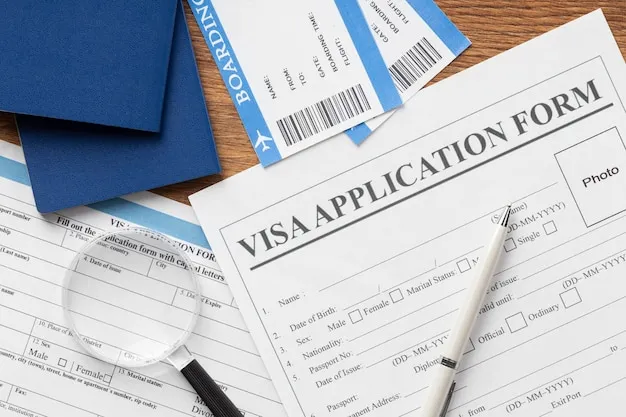
Expenses that do not fall into the main categories may include:
- Parking and tolls
- Baggage or shipping fees
- Paid Wi‑Fi access
- Travel insurance
- Visa fees or conference registrations
Although these costs may seem small individually, they can add up if not tracked properly.
Why tracking business travel expenses is important
Tracking business travel expenses is essential for maintaining financial control and policy compliance. Key benefits include:
- Better cost control. Helps companies monitor spending patterns and adjust travel budgets more accurately.
- Faster reimbursement process. Well-documented expenses allow for quicker verification and reimbursement.
- Clear and reliable records. Organized documentation is critical for audits and internal reviews.
- Easier tax compliance. Proper records make it easier to identify and claim eligible travel deductions.
- Stronger policy enforcement. Consistent tracking helps finance and HR teams ensure all claims align with company travel policies.
- Stronger vendor negotiations. Having detailed expense data makes it easier to negotiate corporate rates with hotels, airlines, or car rental services based on actual usage.
- Operational efficiency. Digital tracking tools reduce manual paperwork, speed up approvals, and give finance teams more time to focus on higher-value tasks.
Effective tracking goes beyond administrative efficiency, it supports transparency, accountability, and smarter decision-making around company travel spending.
How to track business travel expenses
Tracking business travel expenses helps companies stay in control of their budgets and prepare accurate financial reports. It also improves forecasting for future trips. Here are key steps to track business travel costs effectively:
1. Record and classify every expense
Start by documenting all expenses during the trip, no matter how small. Assign clear tags or categories such as transportation, lodging, meals, or client entertainment. Classifying by trip type, department, or employee can also improve reporting accuracy.
Business travel and expense management software makes this process much easier and ensures no detail is missed.
2. Calculate total trip costs
Once the trip ends, calculate the full amount spent. Break this total down by category to identify spending patterns, check for any irregularities, and adjust future budgets accordingly.
3. Categorize for reporting and tax purposes
Use consistent categories in your business travel and expense management software (e.g., meals, accommodation, local transport). This helps with internal tracking and simplifies identifying tax-deductible items during reporting season.
4. Use corporate cards
Issuing corporate cards can streamline expense tracking and reduce the burden on employees. A recent survey showed that 77% of business travelers prefer using corporate cards over personal funds, as it eliminates the need for out-of-pocket spending and manual reimbursements.
Corporate cards also allow businesses to:
- Monitor real-time spending
- Set transaction limits by employee or department
- Reduce the risk of fraudulent or unapproved purchases
Read more: Top Benefits of Business Travel Expense Card & Recommendation
How to manage business trip expenses
Managing business travel expenses is about having the right structure and tools in place. Here’s how to keep business trip costs under control and aligned with company goals:
1. Establish a clear travel & expense (T&E) policy
A well-defined T&E policy helps employees understand what’s allowed, how to book travel, how to submit expenses, and what documents are needed. A good policy should cover:
- Approved types of expenses
- Booking and reimbursement guidelines
- Required documentation (e.g., receipts)
- Per diem rules and timelines
This avoids confusion, ensures fair treatment, and protects the company from overspending.
Read More: Business Trip Policy Sample & Best Compliance Tools
2. Use a travel management platform
A travel platform centralizes bookings, prevents out-of-policy expenses, and provides real-time visibility. Some platforms also integrate with finance tools, allowing teams to manage bookings, expenses, reimbursements, and reporting in one place.
Look for platforms that:
- Enforce your travel policy automatically
- Give managers visibility into trip costs
- Simplify workflows for both employees and finance teams
Read more: Top 5 Business Travel & Expense Management Software
3. Issue corporate or virtual cards

Corporate cards help enforce spending limits and improve transparency. You can:
- Set limits by person, trip, or department
- Assign per diem budgets directly to cards
- Create virtual cards for single-use trips to reduce fraud risk
This ensures controlled spending and simplifies post-trip reconciliation.
4. Keep costs efficient
Business travel should generate value, whether through client meetings, deals, or training. If travel costs outweigh the return, it’s time to optimize. Consider these tips:
- Plan ahead: Book flights and hotels early for better prices
- Use loyalty programs: Collect points for discounts or free stays
- Travel smart: Fly economy, use budget-friendly lodging when appropriate
- Negotiate rates: Secure corporate pricing with frequently used vendors
- Choose cost-effective ground transport: Prefer ride-hailing or public transit over taxis
- Stick to policy: Clear rules help prevent surprise costs and keep trips efficient
By combining smart policies, modern tools, and proactive planning, businesses can control travel expenses without sacrificing productivity or employee experience.
How Mekari Expense can help managing business travel expense
Managing business travel expenses becomes much simpler and more efficient with the right system in place.
Mekari Expense simplifies business travel management by automating the entire process, from planning to reimbursement. As an all-in-one business travel and expense management solution, it helps businesses stay in control of spending while improving employee experience.
Key features include:
- Reimbursement: Fast, paperless claims with real-time tracking
- Cash advance: Controlled fund requests with easy reconciliation
- Business trip management: Centralized trip planning and monitoring
- Approval & workflow: Custom approval flows to match company policy
With Mekari Expense, you can reduce manual work, enforce compliance, and manage travel expenses more efficiently.